Lindell Cooley wrote as the worship leader at Brownsville Assemblies of God in Pensacola, America, a church in revival since 18 June 1995. This article is from his book A Touch of Glory (Revival Press, 1997).
One of the most important things I can tell you is that true revival comes when God descends upon man in His glory. That’s it. There is no formula or religious dogma to memorize and implement at your church. There is no “12‑Step Revival Plan in a Can” that you can purchase at some expensive church growth seminar. Extraordinary things happen when the Extraordinary God shows up among ordinary people who long for more of Him. That is a summary of what happened at Brownsville Assembly of God on Father’s Day in June of 1995.
When I moved my mountain of boxes to Pensacola, Florida, and began to lead worship there, I quickly realized that I had come to an ordinary Assemblies of God church. Pastor John Kilpatrick was a wonderful pastor and a skilled teacher of the Word, but he struggled with the same problems every other pastor has to deal with. He worried about motivating and training workers, finding time to handle his counselling load, and balancing his roles as administrator, family man, and spiritual leader of the flock. He worried about the welfare of the sheep in his care, and he was fervently praying for revival. It was a church that wanted more because it didn’t have it yet.
I inherited a great worship team and a talented group of musicians, but like anyone else I struggled with rehearsal schedules, motivation problems, and the constant need to learn new songs and resuscitate the old ones. The congregation was a normal mix of young, old, and in‑betweens, representing almost every musical taste you could think of. In the midst of the normal challenges, we desperately wanted to see revival spark in our services and we were frustrated. Brownsville Assembly of God was like most of the medium‑sized Pentecostal and Charismatic churches scattered across America. We wanted something that we didn’t have, and we were pressing in by faith to see it come to pass.
I was scheduled to return to the Ukraine for a short missions trip in June, but before I left I began to teach the worship team, the choir, and the music team some Vineyard worship choruses. I had done away with most of the hard‑driving, lively praise songs I favoured before. I didn’t want to do anything that smacked of hype or emotional manipulation. I just wanted to go directly into worship and bypass praise altogether. The congregation seemed to enjoy some of the choruses and was indifferent to others. Something was still missing.
Revival!
I went to the Ukraine in June of 1995 to help conduct a short choir tour and planned to return the week after Father’s Day. I was getting ready to leave the Ukraine when revival came “suddenly” to the Brownsville congregation on Sunday, June 18th. At the end of the Father’s Day service, the visiting evangelist named Stephen Hill gave an altar call. He had just delivered a normal sermon during a normal Sunday service, but everything changed when the Spirit of God suddenly descended on the congregation.
Many people who were present, including Pastor Kilpatrick, literally felt a wind sweep through the sanctuary during the visitation. A thousand people rushed to the altar that day to confess their sins, repent, and commit themselves to the Lord without hesitation or compromise. At this writing, the revival has continued week after week for two years and 125,000 souls have been added to the Kingdom by conservative count. The Lord continues to visit us with ever‑increasing power and glory month after month.
I flew into John F. Kennedy Airport in New York on Tuesday the 20th after reluctantly bidding my beloved Ukranian friends good‑bye. I found a phone and immediately called Pastor Kilpatrick.
“Hey, John what’s going on?”
“Lindell, It has happened!”
“What has happened?”
“Revival is here.”
I had waited to her those words for a long time.
My heart leapt in my chest because I knew it had to be real or the man on the other end of the line wouldn’t say it like that. I wanted to get back to Pensacola just that much quicker, but I knew I couldn’t make it until Wednesday. During the flight from New York to Florida, my mind kept taking me back to those “gentle laid‑back moments in God’s presence” that I had embraced since April.
When I arrived, John and Brenda Kilpatrick picked me up at the airport, and he began to share with me what God was doing. It sounded wonderful, but I was very tired, and felt disconnected. I didn’t realize it then, but that disconnected feeling would stay with me for about two weeks. There was no doubt that God was in the house, but I was having trouble entering in. I ran headlong into a major disappointment because I was expecting “Toronto”.
Breaking Old Dislikes
First there was this Stephen Hill character. I had never met him before the Wednesday night service after Father’s Day, but this evangelist seemed to be just a little “too hyped” for me. Pastor Kilpatrick assured me that he was okay and said that he had known Steve for years. My daydreams of a ‘gentle’ move of the Holy Spirit that morning were jolted back to reality by Stephen Hill, a dynamo with an unquenchable passion for souls. He was far from gentle. I thought he came across like a speeding freight train that first night.
He had us sing one chorus for 30 minutes straight at a clip of 90 miles an hour, and I felt like I had stepped back into my old Pentecostal roots again. All the wonderful things that the Lord had done for me suddenly seemed to disappear and my own heathenistic self came out again. I thought, I am not going to do this! Sorry, but I’ve been there, done that. I don’t want to do this! I want that gentle sweetness that I had.
After the service I was pretty hard on Steve Hill once we were alone. I said, “Steve, I am not going to get up there and do all that hype stuff. If you want it, then get someone else to do it, because I’m not doing it.” Frankly, I had a rotten attitude. Do you know what Steve did? He totally disarmed me with his answer. He said, “Well, brother, that’s all right. Whatever you want to do.” I had to repent to him shortly after that because I was so mean to him. He could have been angry with me but he wasn’t. The battles in my heart would continue for a while, but we were on the way to becoming close friends with one heart.
I knew that my reaction to Steve was rooted in my dislike for the old pattern of wanting to be worked up by powerful music. After my breaking in April, I was so moved by the revelation of just loving the Lord that I could be moved to worship at any time by the slightest breath of the Spirit. All I have to do is say from my heart, “Lord God, all You want is my worship. All You want is my attention. You are like a Father to me.” I don’t need a lengthy time of praise to crank my flesh up to speed. At the mere mention of His name I am ready to fall to my knees and worship. He has touched me so deeply that I must respond.
I didn’t realize it, but God was also out to break my deep‑seated desire to be somebody important. (Everyone I’ve ever known has had this desire too.) I was just floating along on a cloud of simply loving Jesus and hungering after the Lord, but there was some hidden poison still lurking in my heart and God wanted it out.
It was the glory of God that finally destroyed the yoke around my neck. Before God touched me, I always thought that God had called me to a greater grace and a higher calling than to just be somebody’s “flunky musician.” I thank God for His mercy and grace in forgiving my arrogance.
Just when I was convinced that God wasn’t doing anything in me, He brought all my wrong motives to the surface. In the first few weeks of the revival, any time Stephen or Pastor Kilpatrick would interrupt one of my songs or stop the worship service to say something, I would be totally offended. I wouldn’t say anything or change my actions, but in my spirit I was offended. My face might have been smiling but my heart and head were shouting, “Doggone you, get away from the microphone. I don’t interrupt your sermons, do I? Now stay out of my hair ‑ I’m trying to lead worship here.” (I am not interested in being “politically correct” in this book; my goal is to speak the truth in love so that you and others can avoid the mistakes I made and move directly into God’s best.)
It was wrong, but I felt like these godly men were invading my territory. Musicians seem to have an old link to lucifer the first rebellious worship leader ‑ they have a pride that is never satisfied. They jealously guard what is “theirs” and then wonder why they don’t have what the pastor or evangelist has too.
God would be using me mightily in worship, and then this “old ugly” would come out. Right then and there, in the middle of an anointed Brownsville Revival service, I would feel my hidden spiritual pride, piety, and ego rise to the surface. I’d catch myself thinking, I’ve been in this thing a long time, and here is some old drug addict [Stephen Hill] preaching a sermon. Dear God, he just said he got saved in 1975! I was rolling on the floor and speaking tongues in 1975. Why, I’ve been in church all my life and never veered from the path! (Sounds like the older brother of the Prodigal son, doesn’t it?)
God never let me get away with it. He would just zap me and say, “Stop it. If you want Me, humble yourself.” Yes, you thought you had that jealousy under control, but I brought that out to show you that you don’t. Repent of it, and let it go.”
One of the greatest joys of working with Pastor John Kilpatrick and Stephen Hill is the fact that they are transparent. They prefer direct communication. I told Pastor John one night after service, “You know, God has brought out some really ugly stuff in me, and I’ve had to repent.” I don’t think he was surprised, but I do know he was pleased.
When the Spirit’s work was complete in the area of my calling and self‑worth in Christ (He has so much more to do in me), I had a totally different attitude. Now any time those brothers need to say something or interrupt for any reason, I think, ‘That’s fine, brother. I trust your judgement. Go ahead and do anything you want to do. If you want to prophesy, if you want to stop me in the middle of my favourite song, that’s fine.’ Yes, the musician in me will still occasionally grumble a little bit when I’m interrupted, but now I have a tolerance for it. I just tell myself, Oh well, what is the big deal? The guy is trying to follow the Lord here. Relax.
Pastor Kilpatrick, Stephen Hill, and I have great confidence in one another today. We trust each other. We’ve cried and wept in each other’s arms, and we are soldiers. We’ve been in the fox hole together, we’ve watched out for each other’s back, so all of the small differences and irritations just don’t bother us now.
New Things ‑ Even in Revival
Once my eyes were opened to the incredible work God was doing in me those first two weeks of revival, I became content. I realized, for the first time in my life, that I wasn’t “somebody’s” piano player ‑ I was God’s piano player. (My mother had been saying it for decades, but I guess I just wasn’t listening close enough.) If that was what God wanted me to do for the rest of my life, than praise His name; I would be content. I had to pass that hurdle before the other gifts within me could be released to grow. If I had failed to pass that test, my selfish ambitions would have tainted all the other gifts and callings in my life.
Very early in the revival we began to notice some supernatural occurrences in the worship service that let us know God was personally involved in this revival ‑ even in areas not related to the hundreds of souls won each night and the filled altars. I looked in my personal journal and found an entry dated August 17, 1995 (about two months after the revival began.) This is what I wrote down after I got home that night:
August 17, 1995
The service tonight seemed to be pretty average until the very end. As I was about to leave, I talked with Richard Crisco, the youth pastor, and he questioned me about a particular worship chorus we had sung toward the end of the service. It was an ad lib thing that just came out of the air. He wanted to know how I was able to cue the sound track tape to come in as precisely as it did. I told him there was no tape, it was just me and the keyboard ‑ there weren’t even any singers, but he didn’t believe me. He said that he had heard at least three voices and several instruments.
As Richard spoke, I remembered that I too had heard a third voice singing a beautiful counter melody, but was so caught up in the presence of the Lord that I didn’t see who was singing, or who it might be. I knew I was singing, and I assumed it was Jeff Oettle [one of the worship singers at the time] or someone who had felt inspired and grabbed the mike to join in.
As Richard talked, I remembered two things: First, the third voice was exceptionally clear, and the counter melody sounded rehearsed. Second, when we had finished singing, I went to sit by Pastor John who was a little lost in the Spirit (in other words, he was out like he always is), and he told me in slurred speech, “That new chorus you just did was wonderful. Could you do it again tomorrow night?”
Later on, Benny Johnson (the sound guy) and Van Lane (the children’s pastor) told me that they had heard it too. They were at the sound board, and were trying to find out what channel the third voice was on. [It wasn’t going through the sound board at all!]
My conclusion, that the third voice was definitely not of this world, wow.
Later that week I asked Jeff Oettle, “Were you singing with me?”
“No, but I was standing on stage.”
Then I asked him, “Did anybody else sing with me?”
I already knew the answer ‑ no.
All this happened during a Thursday night service, and I remember that the entire worship team was exhausted because early in the revival we used to sing for hours at the end. Somewhere close to midnight the band started to really sound bad and the singers were nearly out of it, so I dismissed them so they could get some rest. I punched in a piano program with a breathy sound on my electronic keyboard, and I just started playing a chord with a monastic Gregorian chant style.
I clearly remember hearing a backup voice and a third voice come in that was singing a perfect counter melody to my song, except that it wasn’t repeating what I was saying ‑ that would have been impossible anyway. I was making it up as I went. Yet this voice was singing at the same time I was singing in perfect counter melody with an incredibly clear voice.
I was making up the melody and words as I went and the other voices were singing right along with me while putting in these little moves in their melodies. I was kind of thinking, “That’s cool, whoever that is.”
Two girls from Puerto Rico who had backgrounds in witchcraft came to the revival that night. When I started singing this song, hundreds of people were still being prayed for at the altars, and it is normally pretty loud. When I started to sing, “Ha‑ha‑hallelujah…” accompanied only by the keyboard, everything became totally quiet. The song (with the heavenly voices) was so impressive that everyone stopped to listen. This went on for probably two or three minutes. (Everybody I questioned that night heard it.)
When I stopped singing, one of the Puerto Rican girls sitting to my far right released a blood‑curdling scream and I thought, How rude of you to interrupt. But it was almost as though a demon had left. The girl told one of the intercessors who was working with her that she had tried to get deliverance from the witchcraft that she had practiced for years, and she’d never been really free of it. Once the angels started singing, that demon left her, and that was that.
It Comes Full Circle
Once I allowed my insecurities and religious pride to be broken, God began to speak into my life again through prophecy. A prophet named Michael Ratcliff prophesied in the revival in 1995 that the Lord was giving me an anointing of “imperialism”. At the beginning of the prophecy he said that I had laid down the anointing to speak the Word because I felt it was inappropriate, but that God was commanding me to open my mouth, and that I would be used as a spearhead to pierce the darkness.
He said that when I or my music went to Taiwan or mainland China, God would give me eight different currencies to work with, and that He would begin to bless me financially. I was to give and be free with it, and the people would be touched, as well as the officials.
He also said God would give me a song that would be sung around the world, and that the Lord was giving me a ministry to heal marriages. The song would be about the Lord and His love for the union of marriage. Some of the marriages healed through the song would be the marriages of heads of state in many countries and I would sing and speak the Word of the Lord to them.
Ruth Heflin prophesied early in 1966 that because I had embraced the harvest, the Lord would make my path flat. I should take no thought, and I should not worry about the things that others do, because God would provide all that I needed ‑ houses, food, and clothing. She also said that the Lord would move me from harvest to harvest. Anywhere in the world that there is a harvest, I would have a portion of it. The Lord said that there was a generation that would follow me, though they’re incomplete, but the Lord would raise them up, and they would follow.
These prophecies closed a prophetic circle in my life by fully confirming the prophecies spoken over me long ago. Some of them have come to pass already and others are in process. Since they were in full agreement with what God had already put on my heart, I embraced them with joy. From time to time I remind the Lord about His promises to me and stand on His faithfulness. As a young man not yet in his 40’s, I am hardly old enough to publish an autobiography of my life, but I am obligated of the Lord to share some of the lessons I’ve learned along the path of obedience.
For reasons known only to God, I have catapulted to a place of national and international exposure, and I am well aware that thousands of leaders and would‑be leaders are watching me. I am writing this book from the things that I know and have experienced, and I will leave other subjects to those better qualified than I. …
The glory of God has fallen on Brownsville Assembly of God in Pensacola, Florida, and it has also fallen in significant measure in Toronto, Ontario and at Holy Trinity Brompton Anglican Church in London, England. At this writing literally thousands of reports are flooding the offices of Brownsville Assembly testifying that God’s glory is falling all across the globe. …
If you have abandoned the old landmarks that God established in your life years ago, then it is time for you to hurry back to those landmarks. Clear away the brush and debris that hide them and once again cherish the word of the Lord over your life. Protect those things that are holy and cleanse those things that are unclean.
Used with permission from A Touch of Glory by Lindell Cooley (Revival Press, Destiny Image, 1997), Chapter 8, pages 119‑132.
(c) 2011, 2nd edition. Reproduction allowed with copyright included in text.
Dr Rodney and Adonica Howard-Brown are pastors and revival evangelists.
Critics focus on the rip-roaring style of his revivalist “camp meetings”, but this US-based South African evangelist says all he’s interested in is God touching people’s lives.
The Holy Spirit wants to touch the lives of real people.
I don’t spend much time wondering about God’s ability
to do what he said he could do. I just trust him.
______________________________________________
On previous visits to Australia, Rodney Howard-Browne has attracted both crowds and controversy. But vigorous debate about his methods and the “phenomena” seen at his meetings has not kept thousands away. … The US-based South African evangelist spoke with Rob Buckingham about spiritual power, the simplicity of faith, and how it feels to be surprised by God.
Buckingham: Things took off for you number of years ago. Can you tell us what took place at that time?
Howard-Browne: We’d moved to America in December ‘87 and travelled wherever the doors opened. One pastor in upstate New York asked us to have two meetings a day and invited the whole congregation. So in April 1989 we went to [a town called] Clifton Park to a church with about 250 members.
I was amazed to see people so hungry for the things of God. On the Monday morning 60 people came to the morning service. This was amazing, especially in America at that time – there had been some major set backs with different major ministries crumbling, and people were disillusioned. Next day we had 100 people at the service – nearly a third of the church coming out on a Tuesday morning!
While I was teaching, just like I normally do, the praises of God just filled the room, and people started falling out of their seats. It looked like someone was sitting in the balcony and shooting people with an invisible gun. Some were crying, some were laughing, others were rolling on the floor. It took a little getting used to.
The presence of God literally filled that place. We saw an outbreak of a revival that now, this April, is nine years old. It’s gone around the world, touched the lives of millions of people, an it hasn’t subsided or stopped. It’s been a great adventure.
Buckingham: What are your reflections now on what took place back then?
Howard-Browne: I see it as an outpouring of the Holy Spirit. It’s not like we weren’t expecting it. We were crying out to God to come and move; we just didn’t know how or when it was going to happen. So when it happened the way it did it totally took us by surprise.
Buckingham: Is there any change in what took place then compared to what’s happening now?
Howard-Browne: It’s just multiplied many times over. In the beginning it was 100 people and now it’s thousands. Whether we’ve been in China or Japan, Holland, Germany, Russia or the islands of the sea, it’s the same. People are the same and they have the same needs. The Holy Spirit wants to touch the lives of real people. There are many religions in the world, but religions will leave you empty because it’s man’s vain attempt to reach God. But Christianity is God reaching man through the person of Jesus Christ.
Buckingham: There are reports of physical healings at your meetings. Do these happen in every country?
Howard-Browne: It happens everywhere. We look at it this way. When people come to a meeting where the Holy Spirit is moving, whatever their needs are God will touch them at that point. Healing is just one of these. People come with cancer, arthritis, different diseases, and the presence of god touches them. Some are healed in their seat without even having hands laid on them, and it’s only later they find out that they’ve been healed.
Dolly, a little Alaskan native lady, came to our meetings in a wheelchair. She’d had arthritis for 18 years, the last five confined to a wheelchair and the final two years bedridden. She came as a last resort, asking God to please touch her. We laid hands on her, but we didn’t really pray that she’s be able to get out of the wheelchair, just that she’d get some joy and that God would touch her. I said, “Lady, what do you want to do?” She responded, “I want to get out of this chair.” So I said, “Well then, go ahead.” Then she climbed out of the chair and walked around the building and was totally healed of crippling arthritis. This happened back in 1991 and we’ve seen her subsequently. She’s still totally healed with no trace of arthritis in her body.
Buckingham: That’s physical healing. What about emotional healing? People can carry a lot of baggage around inside.
Howard-Browne: There are many examples. One is about a woman in North Dakota who was raped by a so-called friend. She contracted two venereal diseases, the worst the doctor said he’d seen. He told her that she’d never be able to have children.
This woman came to the meeting pretty traumatized – this had only happened weeks before. The power of God touched her, she fell on the floor and as she was lying there she felt like there was a fireman standing over her with a big fire hose washing her clean. For about two-and-a-half hours she felt this water washing her clean. When she got up she could remember the rape but it was like it happened to somebody else. God had totally removed the hurt from her. When she went back to the doctor there was no trace of the diseases. That was over five years ago. Today she’s married to one of the pastors of the church. They’ve had children with nothing wrong.
Buckingham: What about other stories?
Howard-Browne: An executive-type lady came to a meeting with a lot of deep hurt in her heart. About 20 years ago she’d had an abortion, and every time she was around things of God she felt guilty and condemned with thoughts like “God’s never going to bless you because of what you did.”
We prayed for her and she was overcome, lying there filled with joy. Laughing hysterically. Later she told us it was as if she was taken up to heaven to see a little girl dancing around, with Jesus standing to the side. The little girl said, “Look Jesus, Mummy’s laughing”. When that happened, she said it felt like a hand reached down inside her and pulled out all the hurt. When she got up from the floor she didn’t feel guilty any more. She knew that God had forgiven her and everything was all right.
Buckingham: Are these incidents isolated events?
Howard-Browne: No. People are healed from depression, a lot from fear, even from wanting to commit suicide. There’s so much pressure on people today. People feel like they can’t make it. So they come to the meetings. God touches them and sets them free. It’s wonderful to see.
Buckingham: Australians are quite different from Americans, and you minister in America a lot. How do you respond to that difference in your meetings when you come to Australia?
Howard-Browne: Because I’m a South African, I think it’s probably easier for me to respond than it would be for an American. I find the Aussies very direct, which I like. There’s no airs or graces, nobody’s pretending. I think maybe that’s why we’ve had such a great response in Australia.
Buckingham: You travel extensively around the world. That must be draining on you. How do you handle the pace?
Howard-Browne: Actually, I find the travel exhilarating, so that by the time I get to a new place I’m refreshed. We travel 46 weeks of the year, and it’s awesome to see people’s lives touched and changed. That’s the thing that’s refreshing. When we get tired, we try to take a break for two or three days.
Buckingham: Rodney, how do you describe your own relationship with God?
Howard-Browne: I would describe my relationship as very, very simple. I don’t understand some people when they always want to complicate God. I just see him as God – nothing is impossible to him. I have a very childlike faith that God honours his word. I don’t spend much time arguing about it or wondering about his ability to do what he said he could do. I just trust him.
Buckingham: How does your relationship with God impact your life personally?
Howard-Browne: Well, because nothing is impossible for him, I always want to believe him for big things. When you think that he made the heavens and the earth, then everything we come up with after that is really so small. I just think sometimes people make everything so difficult when there’s nothing too hard for God.
Buckingham: What about your relationship with others? How does your faith impact that?
Howard-Browne: I want God to do for them what he’s done for me. I’m not anything special or different. I’m just an ordinary person. But I know that if he can do great things for me, he can do great things for them.
Buckingham: How does your faith impact your care for the world around you?
Howard-Browne: When I see a need, my wife has to calm me down; she says, “You can’t do everything.” God leads you into areas where you can minister effectively to touch the needs of people. We all want to reach out and feed the poor or help those less fortunate than we are, yet because I’m busy doing what I’m doing, I can’t do it. So I try to find other ministries and get behind them. I don’t have to do what they’re doing: I just finance and support them.
Buckingham: What can people expect at your meetings this year?
Howard-Browne: Pretty much like two years ago, we’re going to focus on he person of Jesus – people being touched by the Lord and coming back to their “first love”.
Buckingham: What do you mean by “first love”?
Howard-Browne: “First love” is the love you have when you first give your life to Christ – the joy that you’ve just met him, that he’s set you free from sin, that all the guilt and condemnation is gone. It’s like a young guy and a girl; when they first fall in love, they’re just beside themselves.
It’s so easy as a child of God to get caught up in the daily grind, trying to please God, caught up in rituals and traditions. You end up losing that joy and peace. Revival is about people falling in love with Jesus all over again.
Anything can happen when people come back to their first love.
This is an edited version of an interview conducted by Rob Buckingham for use in On Being ALIVE and his weekly radio program “Rob Buckingham and Friends”. It was originally broadcast on 3MP on 29 March, 1998.
Reprinted with permission from On Being ALIVE Magazine, No. 4, May 1998, pages 30-34.
(c) 2011, 2nd edition. Reproduction allowed with copyright included in text.
You can’t help being affected by the climate of revival.
It may take a paradigm shift or two, but if you are open to God,
you’ll definitely get soaked by the revival rain.
It’s hard not to get wet in Argentina. In Australia it is relatively easy to stay dry. I’m not talking about the weather, but about the effects of Holy Spirit revival.
In October and November of 1996 I was one of twenty-five Australians who attended the International Institute conducted for the last seven years by Harvest Evangelism. Ed Silvoso, the Founder and President of Harvest Evangelism has visited Australia a number of times during the past five years and has introduced a strategy for reaching cities, regions and the nation called, “Prayer Evangelism.”
Argentina has been experiencing a revival for the last eleven years that has increased in impact each year. The struggling evangelical churches in Argentina prior to the revival would rejoice if one or two new converts were added to their churches in any single calendar year. These churches were always small and very segregated. They were generally hated by the Catholic Church and were often persecuted by the pro‑Catholic governments. This was the established status quo.
These evangelical/pentecostal churches had their share of dedicated and gifted leaders with every brand and emphasis in the protestant spectrum. They had good examples of everything: the right message, examples of fine theology and healthy spiritual ethos. Mission organizations from many nations had sown faithfully and persistently. But there was little power to impact the ruggedly proud and fiercely independent Argentine hearts. The cities and provinces remained seemingly impervious to their efforts.
Now things have changed. In more than sixteen city regions of the nation, the church overall is seeing consistent growth after the proportions of the parable that Jesus taught about seed and ground. Each year they are seeing “a crop, yielding a hundred, sixty or thirty times what was sown” (Matthew 13:23). It is now customary for the whole church in a city to see an increase in people being added to the church of 100% per year.
We spent fifteen days in Argentina for three major reasons:
a) to attend the International Institute, a gathering of Christian leaders from every part of Argentina and most nations of South America,
b) to receive a commitment from wonderful South American Christian pastors and leaders to pray for a million hours for revival in Australia
c) to visit with leaders in some of the cities and gain some understanding of the practicalities of reaching whole regions for Christ.
Factors leading to revival
Our expectations were exceeded on every count. What I wanted to know was, “How did a fragmented unattached bunch of small churches ever begin to see revival?” There are probably many reasons: sovereign ones and human ones. I can’t do much about the sovereign matters, except be fully committed to them. I wanted to see what identifiable human factors may have led to the church in a nation seeing revival. Here are three that were observed.
1. Unity through relational networks has given the ministry of the church greater authority.
It’s hard to know who’s who in Argentina. Just looking at people in a crowded room would not give a clue as to who were the most anointed leaders, nor which “tag” they wore. I’m not implying that it was an insipid example of people striving to find their “lowest common denominator.” It was fiery and focused. It’s just that you couldn’t pick the Baptists from the Pentecostals. It seems that they have made a strong commitment to proclaim absolutes, not interpretations, when they come together.
As Ted Haggard says, “Inside the walls of our churches, let’s teach and practice the full menu of what we believe. …. outside the church we must focus on the absolutes. … The result is that the non‑Christian community hears the same basic absolutes from … a variety of churches.” What is similarly encouraging is that because the major leaders have not bought the western cultural value of status and importance, they have less to protect and therefore more to give away. We had the great joy and benefit of receiving and receiving. “Recibe! recibe! recibe” was often heard.
The other result is that the key leaders around the nation love each other enough to form a very strong relationship bond. They can give leadership to the church and help to acknowledge what God is saying and doing because they can speak with a voice that comes from being one in heart and soul.
In the cities, the pastors talk collectively about the church in the city. They actually think of themselves as one church even though they form different congregations with sometimes very different flavours. They give leadership to the church in the city from the perspective of a very jealously guarded unity. The pastors of the larger churches don’t dominate and operate independently and the pastors of the smaller churches don’t feel threatened. We saw it, heard it and felt it. It was the kingdom of God right enough.
This unity is not just for enjoyment value. It has given the church in a given locality greater authority. It is not to be measured in political or social terms, but spiritual. The powers of darkness have little power to blind the minds of unbelievers when the church operates in unity.
2. Uncompromised commitment to evangelism has created a sharper focus
Whatever the strategies to be used, the underlying strength comes from a heart to reach the people who are lost from God. There are meetings in the churches just about every night. There is very little emphasis on home groups and home group structures. Mostly people come to the meetings: teaching, prayer, evangelistic. The message is preached like any regular evangelical pastor would preach it in Australia. It would be more demonstrative of course as reflecting the culture, but there is no “secret” message associated with the revival.
People in Argentina are coming to Christ in one of two main ways:
They come in thousands to the altar rail of Carlos Annacondia crusades. This little dynamic Argentine exudes a measure of faith that has nothing to do with presentation, and everything to do with heart – from spending a lot of time in the presence of God no doubt.
People are also coming to Christ through the prayer supported lifestyle of the average members of the churches. So much of it is one to one. If anything this seems to be the growing edge.
As the pastors and intercessors knock out the enemy missile launching sites, the regular soldiers are able to take captives with much greater frequency; I wouldn’t say ‘automatically’, but I would say ‘more readily’. They can do this not because they have a level of faith much in excess of that of the average believer in Australia, but because they are focused on evangelism. It is their chosen lifestyle focus.
This focus allows all the activities of the church to be measured more objectively. We tend to measure programs on how they will affect the members. They tend to measure programs on how they will affect the non‑members. The ministry of evangelism gets the first second and third bite of the cherry in Argentine churches. People will sacrifice anything. The pastoral staff of a church all sold their cars at one time in order to make possible a particular evangelistic ministry. They mean business. That’s the bottom line.
3. A commitment to the harvest has uncovered important principles of prayer and spiritual warfare
South America in general and Argentina in particular have become synonymous with prayer and spiritual warfare. Sometimes this has been a bit controversial in its expression. I discovered something in Argentina that helped me to put this in a clearer context. Basically the principles of things like “spiritual mapping” have come from the experience of evangelism, not from a study of spiritual warfare.
No finer example of this process could be found than the experience of Baptist leaders Victor Lorenzo and his father Eduardo. They had begun to evangelize and found that they have had little impact in some places.
A typically ‘Australian’ conclusion would be to say that it was a ‘hard place’. These men would be more likely to say that ‘no harvest’ was not an option. When they looked for the reason for no harvest they began to find that the hardness was due to the exercise of some form of demonic power or influence. They would give themselves to dealing with the powers as the Bible describes those encounters. As a result, hundreds and even thousands of people were saved and added to the church.
There were places where successive attempts to plant churches had totally failed. When they began to deal with the spiritual forces of darkness that held these areas in bondage, the same attempts were successful. This evidence was compelling, but the process was even more enlightening. The spiritual warfare comes out of a bold commitment to preach the gospel, not out of a textbook on spiritual warfare.
This is the emphasis of the New Testament of course. Spiritual warfare is not a department of the church where people hive off and play with demons. Evangelism and spiritual warfare are the same thing. It’s just that they have discovered that evangelism is more than communication, it is warfare. The evangelists must be committed to the intercessors and the intercessors must be committed to the evangelists. The apostles and prophets must work together with the pastors and teachers and they must all work together with the evangelists. God is raising up these ministries within regions. Not only in South America, but on every continent.
Conclusion: Not exactly new, but very, very different !
There were some compelling conclusions for me. The first was the realization that there is really nothing there that’s mysterious or new. It is different but not new. The difference will be found in the measure.
While we tend to fill our shelves with books and tapes on prayer, they tend to fill heaven with bowls of incense (Rev. 5:8; 8:3,4).
While we tend to spend our time reading “fishing” magazines, they tend to spend their time boldly proclaiming the kingdom of God.
While we tend to skirt around the edge of our community picking up the few “strays” and adding them to the church, they tend to focus on “binding the strongman” (Mark 3:27) and robbing the whole house.
While we tend to languish in our cultural and ecclesiastical baggage, they tend to take seriously the matter of finding every way they can to become one, so that the world will know.
That’s exactly what is happening. The difference in Argentina is that they are so much further down the same road. They have put in the effort, and paid the price. They have very little excess baggage. They set aside non‑essentials. They have more energy for the main event on the program. The result is that the kingdom of God is coming not only to Argentina, but to the rest of the world. As they continue and as they pray for the nations of the world, their “faith is being reported all over the world” (Romans 1:8).
It’s hard not to get wet in Argentina. You can’t help being affected by the climate of revival. It may take a paradigm shift or two, but if you are open to God, you’ll definitely get soaked by the revival rain. In Australia we are still looking to the sky for rain. Our main danger is that when the rain comes we are just as likely to take out two umbrellas, a full length driz‑a‑bone and some gumboots just in case we might get wet. Wet theology and wet and crinkled church traditions are so messy. I wonder what the weather man will say on TV tonight? Praise the Lord !
Reprinted by permission from New Day, February 1997, pages 18-20.
(c) 2011, 2nd edition. Reproduction allowed with copyright included in text.
Dr Geoff Waugh reports on recent and current revival movements in the South Pacific nations of Vanuatu, the Solomon Islands, Fiji and Papua New Guinea, as examples of radical and effective discipleship.
Transforming Revivals includes a chapter by George Otis Jr , Snapshots of Glory
Revivals in the South Pacific
Transforming revival continues to spread exponentially. The Sentinel Group (www.glowtorch.org) DVDs report on community transformation around the world, especially in Transformations I and II, and Fiji reports in Let the Seas Resound. This brief update describes recent revivals in the South Pacific islands, representative of revivals multiplying in the twenty-first century.
Vanuatu, South Pacific
Law School students at their Christian Fellowship (CF) in University of the South Pacific developed a powerfully discipling community through their CF, which led to effective evangelism, mission to many nations, and involvement in revival movements. Peer discipling with committed leaders encouraged personal growth and enabled powerful ministry.
The Lord moved in a surprising way at the Christian Fellowship (CF) in the School of Law in Port Vila, Vanuatu on Saturday night, April 6, the weekend after Easter 2002.
The university’s CF held an outreach meeting on the lawn and steps of the grassy university square near the main lecture buildings, school administration and library. God moved strongly there that night.
Unusual lightning hovered around in the sky that night, and as soon as the prayer teams had finished praying with those who rushed forward at the altar call, the tropical rain pelted down on that open field area.
God poured out his Spirit on many lives that night, including Jerry Waqainabete and Simon Kofe. Both of them played rugby in the popular university teams and enjoyed drinking and the night club scene. Both changed dramatically. Many of their friends said it would not last. It did.
A team of eleven from their CF visited Australia for a month in November-December 2002 involved in outreach and revival meetings in many denominations and as well as in visiting home prayer groups. They drove 6,000 kilometres in a 12-seater van, including a trip from Brisbane to Sydney and back to visit Hillsong.
South Pacific team on mision in Australia
The team prayed for hundreds of people in various churches and home groups – as in the cover photograph of this book. They led worship at the daily 6 am prayer group at Kenmore Baptist Church, with Calvin Ziru on guitar. That followed their own 5 am daily prayer meeting in the house provided miraculously for them.
Miracle House bought with “no money” (and sold later for $80,000 profit!)
Mission team at their Brisbane house
Philip and Dhamika George from Sri Lanka bought that rental house with no money and made it freely available. They had recently befriended a back packer stranger who advised them to buy a rental property because Brisbane house prices then began to increase rapidly in value. They had no spare money but their new friend loaned them a deposit of $10,000, interest free, to get a bank loan and buy the house. They sold the house two years later for $80,000 profit, returned the deposit loan, and used the profits for Kingdom purposes especially in mission.
The law students from the CF grew strong in faith. Jerry, one of the students from Fiji, returned home for Christmas vacation after the visit to Australia, and prayed for over 70 sick people in his village, seeing many miraculous healings. His transformed life challenged the village because he had been converted at CF after a wild time as a youth in the village. The following December vacation, 2004, Jerry led revival in his village. He prayed early every morning in the Methodist Church. Eventually some children and then some of the youth joined him early each morning. By 2005 he had 50 young people involved, evangelising, praying for the sick, casting out spirits, and encouraging revival. By 2009 Jerry was a lawyer and pastor of a church in Suva and had planted a new church in his village as well.
Simon, returned to his island of Tuvalu, also transformed at university through CF. He witnessed to his relatives and friends all through the vacation in December-January, bringing many of them to the Lord. He led a team of youth involved in Youth Alive meetings, and prayed with the leaders each morning from 4 a.m. Simon became President of the Christian Fellowship at the Law School from October 2003 for a year.
Pentecost Island, Vanuatu
In May 2003 a team from the CF flew to Pentecost Island in Vanuatu for a weekend of outreach meetings on South Pentecost. The national Vanuatu Churches of Christ Bible College, at Banmatmat, stands near the site of the first Christian martyrdom there.
Worship in the chapel at the Bible College on Pentecost Island, Vanuatu
Tomas Tumtum had been an indentured worker on cane farms in Queensland, Australia. He was converted there and returned around 1901 to his village on South Pentecost with a new young disciple from a neighbouring island. They arrived when the village was tabu (taboo) because a baby had died a few days earlier, so no one was allowed near the village. Ancient tradition dictated that anyone breaking tabu must be killed, so they were going to kill Tomas, but his disciple Lulkon asked Tomas to tell them to kill him instead so that Tomas could evangelise his own people. Just before he was clubbed to death at a sacred mele palm tree, he read John 3:16, then closed his eyes and prayed for them.
Tomas became the pioneer of the church in South Pentecost, establishing Churches of Christ there.
Mathias, a young man who repented deeply with over 15 minutes of tearful sobbing, is now the main worship leader in revival meetings. When he was leading and speaking at a revival meeting at the national Bible College, a huge supernatural fire blazed in the hills directly opposite the Bible College chapel in 2005, but no bush was burned.
Pentecost Bible College
Bible College Chapel on Pentecost Island, Vanuatu
By 2004, the Churches of Christ national Bible College at Banmatmat on Pentecost Island became a centre for revival. Pastor Lewis Wari and his wife Marilyn hosted these gatherings at the Bible College, and later on Lewis spoke at many island churches as the President of the Churches of Christ. Lewis had been a leader in strong revival movements on South Pentecost as a young pastor from 1988.
Every weekend the team from the college led revival meetings in village churches. Many of these went late as the Spirit moved on the people with deep repentance, reconciliation, forgiveness, and prayer for healing and empowering.
Pentecost on Pentecost
Grant Shaw accompanied Geoff Waugh to Pentecost Island in Vanuatu in September-October 2006. Grant grew up with missionary parents, saw many persecutions and miracles, and had his dad recounting amazing, miraculous answers to prayer as a daily routine. They often needed to pray for miracles, and miracles happened. From 14 years old Grant participated in mission teams travelling internationally in Asia. Then he attended a youth camp at Toronto Airport Christian Fellowship which has had revival since 1994. He then worked there as an associate youth pastor for 18 months before studying at Bible College in Brisbane. So he is used to revival – all his life! In Vanuatu he was getting clear words of knowledge, and seeing people healed daily in meetings and in the villages. That inspired and challenged everyone.
Raised from the dead
At sharing time in the Upper Room service in Port Vila the capital, Leah Waqa, a nurse, told how she had been on duty that week when parents brought in their young daughter who had been badly hit in a car accident, and showed no signs of life – the monitor registered zero – no pulse. Leah felt unusual boldness, so commanded the girl to live, and prayed for her for an hour – mostly in tongues – and after an hour the monitor started beeping and the girl recovered.
Grant Shaw with Leah Waqa
The mission trip continued on South Pentecost once more, based in the village of Panlimsi where Mathias was then the young pastor. The Spirit moved strongly in all the meetings. Repentance. Reconciliations. Confessions. Anointing. Healings every day. The healings included Pastor Rolanson’s young son able to hear clearly after partially deaf from birth. Rolanson leads evangelism teams, and helped lead this mission.
South Pentecost attracts tourists with its land diving – men jumping from high towers with vines attached to their ankles. Grant prayed for a jumper who had hurt his neck, and the neck crackled back into place. An elderly man no longer needed a walking stick to come up the hill to the meetings. Grant prayed for a son of the paramount chief of South Pentecost from Bunlap, a heathen village. He was healed from a painful groin and he invited the team to come to his village to pray for the sick. No white people had been invited there to minister previously.
The team, including the two Australians, trekked for a week into mountain villages. They literally obeyed Luke 10 – most going with no extra shirt, no sandals, and no money. The trek began with a 5 hour walk across the island to Ranwas on the eastern side. Mathias led worship, with strong moves of the Spirit touching everyone. At one point the preacher spat on the dirt floor, making mud to show what Jesus did once. Marilyn Wari, wife of the President of the Churches of Christ in Vanuatu, then jumped up asking for prayer for her eyes. Later she testified that the Lord told her to do that, and then she found she could read her small Bible without glasses.
Glory in a remote village
The team trekked through the ‘custom’ heathen village (where the paramount chief’s sons lived), and prayed for more sick people. Some had pain leave immediately, and people there became more open to the gospel. Then the team trekked for 7 hours to Ponra, a remote village further north on the east coast.
Revival meetings erupted there! The Spirit just took over. Visions. Revelations. Reconciliations. Healings. People drunk in the Spirit. Many resting on the floor getting blessed in various ways. When they heard about healing through ‘mud in the eye’ at Ranwas some came straight out asking for mud packs also!
One of the girls in the team had a vision of the village children there paddling in a pure sea, crystal clear. They were like that – so pure. Not polluted at all by TV, videos, movies, magazines, worldliness. Their lives were so clean and holy. Just pure love for the Lord, especially among the young.
Angels singing filled the air about 3 am. It sounded as though the village church was packed. The harmonies in high descant declared “For You are great and You do wondrous things. You are God alone” and then harmonies, without words until words again for “I will praise You O Lord my God with all my heart, and I will glorify Your name for evermore” with long, long harmonies on “forever more.” Just worship.
The Upper Room church continues to move in the Spirit and has seen strong touches of God in the islands, especially Tanna Island. They planted churches there in ‘custom’ villages, invited by the chiefs because the chiefs have seen their people healed and transformed.
During missions there in 2006, many young boys asked to be ‘ordained’ as evangelists in the power of the Spirit. They returned to their villages and many of those young boys established churches as they spoke, told Bible stories, and sang original songs inspired by the Spirit.
Solomon Islands
Powerful revival in the Solomon Islands back in 1970 spread throughout the South Pacific. Everywhere pastors and leaders when they sparked more revival, repentance, conversions and many healings and miracles.
The Lord also poured out his Spirit in fresh and surprising ways in New Georgia in the Western District of the Solomon Islands in 2003, and touched many churches in the capital Honiara with strong moves of the Holy Spirit. God’s Spirit moved powerfully especially on youth and children. This included many conversions, many filled with the Spirit, many having visions and revelations.
An anointed pastor from PNG spoke at an Easter Camp in 2003 attended by many youth leaders from the Western Solomons. Those leaders returned on fire. The weekend following Easter, from the end of April, 2003, youth and children in the huge, scenic Marovo Lagoon area were filled with the Spirit, with many lives transformed. Revival began with the Spirit moving on youth and children in village churches. They had extended worship in revival songs, many visions and revelations and lives being changed with strong love for the Lord. Children and youth began meeting daily from 5 pm for hours of praise, worship and testimonies. A police officer reported reduced crimes and that former rebels attending daily worship and prayer meetings.
Revival continues to spread throughout the region. Revival movements brought moral change and built stronger communities in villages in the Solomon Islands, including these lasting developments:
1. Higher moral standards. People involved in the revival have quit crime and drunkeness, and now promote good behaviour and co-operation.
2. Christians who once kept their Christianity inside churches and meetings now talk more freely about their lifestyle in the community and among friends.
3. Revival groups, especially youth, enjoy working together in unity and community, including a stronger emphasis on helping others in the community.
4. Families are strengthened in the revival. Parents spend more time with their youth and children to encourage and help them, often leading them in Bible readings and family prayers now.
5. Many new gifts and ministries are being used by more people than before, including revelations and healing. Even children receive revelations or words of knowledge about hidden magic artifacts or ginger plants related to spirit power and remove them.
6. Churches are growing. Many church buildings in the Marovo Lagoon have been pulled down to be replaced by much bigger buildings to fit in the crowds. Offerings and community support have increased.
7. Unity. Increasingly Christians unite in reconciliation for revival meetings, prayer and service to the community.
Western Solomon Islands
A team of law students from the University of the South Pacific CF in Port Vila, Vanuatu, visited Honiara and the Western Solomon Islands in mid-2003. Sir Peter and Lady Margaret Kenilorea hosted the team in Honiara. Sir Peter was the first Prime Minister of the independent Solomon Islands, and then the Speaker in the Parliament.
South Pacific team at the Kenilorea home
Dr Ronald Ziru, then the administrator of the United Church Hospital in Munda in the western islands hosted the team there, which included his son Calvin. The team had to follow Jesus’ instructions about taking nothing extra on mission because the airline left all their checked luggage behind in Port Vila! They found it at Honiara after their return from the western islands.
At Seghe and in the Marovo Lagoon the revival spread since Easter. Some adults became involved, also repenting and seeking more of the Holy Spirit. Many outpourings and gifts of the Spirit have emerged, including the following:
Transformed lives – Many youths that the police used to check on because of alcohol and drug abuse became sober and on fire for God attending daily worship and prayer meetings. A man who rarely went to church led the youth singing group at Seghe. Adults publicly reconciled after years of old rifts or strife.
Long worship – This included prophetic words or actions and visions. About 200 youth and children led worship at both Sunday services with 1,000 attending in Patutiva village where the revival began. They sang revival songs and choruses accompanied by their youth band.
Visions – Children saw visions of Jesus (smiling at worship, weeping at hard hearts), angels, hell (with relatives sitting close to a lake of fire, so the children warned them). Some saw Jesus with a foot in heaven and a foot on earth, like Mt 28:18 – “All authority in heaven and on earth has been given to me.” One boy preached (prophesied) for 1½ hours, Spirit-led.
Revelations – especially ‘words of knowledge’ about hidden things, including magic artefacts and good luck charms. Children show parents where they hid these things! If other adults did that there would be anger and feuds, but they accept it from their children. One boy told police that a man accused of stealing a chain saw (and sacked) was innocent as he claimed, and gave them the name of the culprit, by word of knowledge. The accused man returned to work.
Spiritual Gifts – teaching sessions discussed traditional and revival worship, deliverance, discernment of spirits, gifts of the Spirit, understanding and interpreting visions, tongues, healing, Spirit-led worship and preaching, and leadership in revival. Many young people became leaders moving strongly in many spiritual gifts.
These effects continued to spread throughout the Solomon Islands.
Solomon Islands Mission
In the Solomon Islands the revival team of 15 from Vanuatu and 6 from Brisbane visited villages in the Guadalcanal Mountains, three hours drive and seven hours trekking from Honiara, and held revival meetings in November 2006 especially to encourage revival leaders. They walked up mountain tracks to where revival is spreading, especially among youth. Now those young people have teams going to the villages to sing, testify, and pray for people. Many gifts of the Spirit are new to them. The team prayed for the sick and for anointing and filling with the Spirit. They prayed both in the meetings and in the villages.
Revival in Guadalcanal Mountains
Revival in the Guadalcanal Mountains started at the Bubunuhu Christian Community High School on July 10, 2006, on their first night back from holidays. They took teams of students to the villages to sing, testify, and pray for people, especially youth. Many gifts of the Spirit were new to them – prophecies, revelations (e.g., about where magic stuff is hidden) healings, and tongues.
Choiseul Island
Gideon, Grant and Geoff participated for five days in the National Christian Youth Convention (NCYC) in the north-west at Choiseul Island – 2 hours flight from Honiara. Around 1500 youth gathered from across the nation, many arriving by outboard motor canoes.
The group coming from Simbo Island in two canoes ran into trouble when their outboard motors failed. Two of their young men swam from noon for nine hours in rough seas to reach land and get help for their stranded friends. The following day they arrived with a repaired outboard motor minus their food which they had to throw overboard in the rough seas.
The Friday night convention meeting saw a huge response as Grant challenged them to be fully committed to God. Most of the youth came out immediately so there were hundreds to pray for.
The anointed worship team led the crowd in “He touched me” for nearly half an hour as prayer continued for them, including many wanting healing.
Here is Grant’s description of that youth crusade night:
We were invited to speak for their huge night rally. Geoff began and God moved on the young people in a special way. Then he handed it over to me at about halfway and I gave some words of knowledge for healing. They came forward and we prayed for them most of them fell under the Spirit’s power and all of them testified that all the pain left their body. After that, I continued to speak for a bit and then gave an altar call for any youth who choose to give their lives fully to Jesus, no turning back!
Most of a thousand youth came forward, some ran to the altar, some crying! There was an amazing outpouring of the Spirit and because there were so many people Geoff and I split up and started laying hands on as many people as we could. People were falling under the power everywhere (some testified later to having visions). There were bodies all over the field (some people landing on top of each other).
Then I did a general healing prayer and asked them to put their hand on the place where they had pain. After we prayed people began to come forward sharing testimonies of how the pain had left their bodies and they were completely healed! The meeting stretched on late into the night with more healing and many more people getting deep touches.
It was one of the most amazing nights. I was deeply touched and feel like I have left a part of my self in Choiseul. God did an amazing thing that night with the young people and I really believe that he is raising some of them up to be mighty leaders in Revival.
A young man healed that night returned to his nearby village and prayed for his sick mother and brother. Both were healed immediately. He told about that the next morning at the convention, adding that he had never done that before.
The delegation from Karika, in the Shortland Islands further west, returned the following Monday. The next night they led a meeting where the Spirit of God moved in revival. Many were filled with the Spirit, had visions, were healed, and discovered many spiritual gifts including discerning spirits and tongues. That revival has continued, and spread.
Transforming Revival
An unusual pattern of discipleship has emerged in whole villages in the South Pacific during the 12st Century. Applying the principles of 2 Chronicles 7:14, complete village communities have experienced not only revival but ecological and social transformation. Mentors and leaders from among their own people have led them into radical repentance, reconciliation, and communal commitment to Jesus as Lord in all of life.
The following stories of community transformation from Fiji, Papua New Guinea, and Vanuatu come from pages 58-70 of A Manual for Healing the Land by Vuniani Nakanyaca and Walo Ani, 3rd edition, 2009, published by Toowoomba City Church, Australia, reproduced by permission. Reports by Harry Tura from Vanuatu are added here.
Fiji
The twenty-first century has already seen many village communities transformed. Rev Ratu Vunaiani Nakauyaca describes community transformation in Fiji. The most powerful events in this ongoing revival are the direct results of repentance, reconciliation and unity,
One of the first instances of this occurred in 2002, when Chief Mataitoga of Sabeto village (between Nadi and Lautoka) had a dream from the Lord. The village had a lot of social problems as well as enmity and divisions. As a result of the dream, he called his people together to pray and fast to seek God for answers and healing. Over a period of two weeks, many of the clans spent time with the Chief to sort out their differences. They had meetings every night and God brought about reconciliation and unity in the church and village, many relationships being healed.
There had only been one church in the area until the Pentecostal revival of the 1960s which spread across the cities and towns and into the rural areas during that period. Because of the rejection of the Pentecostal experience by some people, many villages had two churches, one Methodist and one Pentecostal. This caused division between friends and family, with many people not communicating and carrying bitterness and resentment for decades.
When Ratu Mataitoga directed his people to come together as one, there was a move of the Holy Spirit with real repentance and forgiveness, and unity in the village was restored. The long term results of this action were only revealed with the passing of time. Productivity of the soil increased and long absent fish varieties returned to the reef. Mangroves that had died and disappeared have begun to grow again. The mangroves are very important for the ecology, providing shelter and breeding grounds for all kinds of fish, crabs, etc. all of which were part of the staple diet of these villages.
Healing the Land
The Healing the Land (HTL) Process, as it is now officially recognized, was really started on the initiative of Pastor Vuniani Nakauyaca. For him it was a personal journey that resulted from an accumulation of various events.
The Pacific Prayer movement had a desire to see that prayer, repentance and reconciliation were carried out where necessary on location – where missionaries had been killed or where tribal conflict had taken place. These were all based on a bottom-up or grassroots approach to bring healing and reconciliation.
Vuniani had visited Argentina and seen the beneficial results of reconciliation with the British over the Faulklands war. He also visited Guatemala to see the Almolonga transformation (see Transformation Series DVD/Video). This was a singularly dramatic community change. Jails and public bars closed, land fertility increased and crop production levels had to be seen to be believed.
What he saw brought a deeper desire in his heart to see this happen in Fiji, to give room for God to bring about community and national transformation in similar ways to what he had seen overseas. He saw the need to appropriately respond to the circumstances and use the spiritual tools available to see the nation transformed.
Nuku Village
After returning to Fiji, he called some people together to seek God for solutions. They felt they should begin at Nuku, and this took place 1-10 April, 2003. Nuku is about 65 kilometres north of Suva, on the main island of Viti Levu.
The inhabitants of Nuku had been suffering feuds, infertility, mental illness and social problems for decades. The water of the stream that flowed through the village had been polluted since a day 42 years previously, the water and banks being filled with slime. At that time, children were swimming in the stream when the water suddenly turned white and they all ran for their lives. Fish died and grass died. Vuniani, as a child, was swimming in the river when this happened, so he knew the background story. It was believed that the polluted water caused blindness, infertility, madness and even death.
Vuniani and the team went up to Nuku to activate the Process. The key Scripture they went with was 2 Chronicles 7:14, “If my people, who are called by My name, will humble themselves and pray, and seek my face, and turn from their wicked ways, then I will hear from heaven, will forgive their sin and will heal their land”.
They had two weeks of prayer meetings, the Methodist, Assemblies of God and Seventh Day Adventist churches being represented. They spent time studying Bible references on defilement and Healing the Land. This lead them to repent and confess their sins and the sins of their forefathers, in the same way as Nehemiah did. These included killing and cannibalism, idolatry, witchcraft, bloodshed, immorality
They went to the high places in the area to cleanse them of the sinful acts that had taken place there. The elders confessed sins of their forefathers. Reconciliation first took place within families, then clans and finally within the tribe. The chief of the area led a corporate prayer of repentance with the whole tribe.
On the third day of the Process, some women came running and shouting into the village, announcing that the water in the stream had become pure again. It is still pure today.
Nuku village had been heavily populated, but because of feuds and disputes, people were chased out or just left and went to live in other villages. Deputations were sent out to these to apologise for the past offenses. A matanigasau (traditional apology) was sent to two villages, inviting the people to return if they wished.
The whole community now count themselves as very blessed. The productivity of the land has increased. The stream water is pure and since that time shrimps and fish have returned to the waters. The fertility of the banks and agriculture has radically improved. Some people have even reported that the water has demonstrated healing properties.
Nabitu Village, East of Nausori, Viti Levu
What occurred in this village was very much a follow on from what was happening around the country at the time. There was a split in the tribe and there were a lot of unresolved issues. During a business meeting in the local church, which was situated right in the middle of the village, a fist fight broke out. There was always a heaviness in the village, like a hovering dark cloud. This affected people negatively and there were not a lot of jobs available.
On the advice of chiefs, the people came together on their own initiative for a time of corporate repentance. A lay preacher in the Methodist Church facilitated the Process. There was instantly a change in the atmosphere. The heaviness that had been there had lifted and everyone could feel it. The division in the church was healed.
The lesson learned from there is that satan’s hold over people and places is tenuous to say the least. It only takes one man to lead many into forgiveness and healing. Satan has to leave, along with the oppression and curses.
Vunibau (Serua Island) in the mouth of Navua River
The HTL Process in this place was scheduled over a 14 day period. During the Process the mixture of elements was poured out onto the sand on the beach. Later that day, an elderly lady and her son went fishing on the beach. They cast the net out but when they tried to haul it back in, it seemed to be stuck. They thought that perhaps it had been caught on a stump or rock, but they found that the net was actually so full of fish that they could not pull it in.
They started walking back to the village to tell everyone, and the lady was following her son walking along the beach. Wherever his footprints were in the sand a red liquid appeared. As she walked in his footsteps she was healed of migraine, knee ailments and severe back pain, all of which she had suffered for many years. This healing has been permanent. As soon as they returned to the village she told the whole community what had happened.
All the people rushed down to the beach to see this phenomenon, including the HTL team that was still there at the time. To their amazement, right on the spot where the elements had been poured onto the sand, there was blood coming out of the sand and flowing into the sea. A backslidden Catholic man gave his life to the Lord on the spot. Photos were taken. Vuniani was called from Suva (about an hour away) and he also witnessed the blood coming out of the sand. This actually happened twice.
It was understood to be a confirming sign from the Lord that He was at work in the reconciliation and healing Process. 1 John 5:6-7, “There are three that bear witness on earth, the Spirit, the water and the blood.”
This was similar to the miracle of the healing of the waters in Nuku, which was also recognized as a sign of God’s cleansing and healing that was taking place amongst the people. God is authenticating what He is doing.
At Vunibau many other signs quickly followed. Large fish returned to their fishing grounds. On one occasion, considerable quantities of prawns came ashore so that people could just pick them up. Crabs and lobsters have also returned, and they have been able to sell the large lobsters for up to $25-$30 each.
After this sign of the blood, Pastor Vuniani recalled the scripture in Acts 2:19 where the Lord had spoken through the prophet Joel that “I will grant wonders (signs) in the sky above, and signs on the earth below, blood, and fire and vapour (pillars) of smoke” (NASB). He wondered what would come next after the sign of the blood and felt that the next sign would be fire.
Nataliera, Nailevu North
In Nataliera village there were four churches. There was no communication between their members, affecting even closely related families within the village. Traditional witchcraft was still being practised and there were about eight sorcerers there. In addition, there had been many more deaths than would be normal.
After forgiveness and reconciliation, the members of these four churches would meet every Wednesday for prayer and fasting. On the first Sunday of every month, the four congregations would combine for one large gathering. An Eco Lodge, previously closed, is now prospering after the HTL Process.
For many years the fishing on the reef had become lean. Large fish were very scarce and for many years the catch had only ever comprised “bait fish” – the very small ones. Much of the coral reef was dead and what was left seemed to be dying.
After reconciliation, on two separate occasions fire was seen to fall from the sky onto the reef. After this, large fish returned in abundance. The coral is now regenerating and new growth can be seen in abundance.
When stormy weather strikes and the boats can’t go out, the women pray and large fish swim in close to the shore and become trapped in a small pond so that the women are able to just wade in and catch them. When women from neighbouring villages heard of this, they tried praying for the same provision, but without the same result.
Draubuta, Navosa highlands, north of Sigatoka
Vuniani’s son, Savanaca, was working with two teams in the highlands. While they were there, pillars of smoke descended on the villages. This was seen by many neighbouring villagers who described it as thick bloodstained smoke. This sign was seen at almost exactly the same time as fire was seen to fall on the reef at Nataliera.
In this area there were many marijuana plantations. The Nadroga council had been trying to prevent the plantings. During the HTL Process, a deputation of marijuana growers approached the team and asked what the Government would do for them if they destroyed their crops. They had a list of demands which they presented to the team.
The marijuana crop was large, and estimated to be worth about $11 million. There were 9 growers involved. The team leaders told the farmers that it was their choice, that they should obey God and trust Him for their livelihood, without any promises from anyone to do anything for them. If they could not, then they should not participate in the Healing Process.
By the time the Process had finished, the people had destroyed the crop as part of the reconciliation Process. After the HTL ministry, a total of 13,864 plants were uprooted and burnt by the growers themselves. There were 6,000 seedlings as well.
These are a few of the many miraculous events that have occurred in Fiji since 2001. Every week, more such events are happening as the forgiveness, reconciliation and HTL processes are being experienced.
Burning idols
Papua New Guinea
Rev Walo Ani and his wife Namana describe community transformation through Healing the Land in Papua New Guinea.
Karawa Village
It was a very exciting week in August 2006 where we saw the Lord move mightily in the lives of the village elders, chiefs, church leaders and the people. A group of dedicated young people’s prayer ministry team started praying and fasting from 1st of July for the HTL Process. We witnessed repentance, forgiveness and reconciliations between family and clan members, and between individuals.
The Lord went ahead and prepared the hearts of people in every home as we visited. They were ready to confess their sins and ask for forgiveness from each other and reconcile. In some homes, members of families gave their hearts to the Lord. Visitation of homes took two days. On the third morning, after the dedication of the elements of salt, oil and water, the village elders and chiefs publicly repented as they identified with sins of their forebears; and each of them publicly gave their clans to the Lord.
Three dinghies and a big canoe with people all went in different directions up several rivers and along the nearby coast to anoint specific places for cleansing that were defiled through deaths and killings in the past.
That night there was a time of public confession and renouncement of things that were a hindrance in the lives of the people around a huge bonfire. It was a solemn night; the presence of the Lord was so powerful that people were coming forward and burning their witchcraft and charms publicly. No one could hold back, even the deacons and church elders, village elders, women and young people were all coming forward. Young people started confessing their sins and renouncing and burning drugs, cigarettes and things that were hindering their lives from following Christ.
A young man, who had murdered another young man about 11 years ago, came forward and publicly confessed his sin and asked for forgiveness from the family of the murdered man. That was a big thing; there was a pause and we waited and prayed for someone from the other side to respond. Only the Lord could do this. The younger brother of the man who was killed came out finally, and offered forgiveness. We could hear crying among the people; it was a moving moment where God just took control. Mothers, brothers and members of both extended families became reconciled in front of the whole village. We could sense the release upon both families and village. It was an awesome time; the meeting went on into the early hours of the next morning. At the end of all this at about 2am the pastor stood up and said the prayer to invite Jesus into the community.
The village is not the same; you can sense the release and freedom of Christ in the lives of the people. The Holy Spirit is still moving in people’s lives and they are coming to their pastor for prayer. Recently, a young man surrendered two guns to the pastor. News of what God has done and is still doing has spread to neighbouring villages. God birthed a new thing in our area and I believe that many more villages will see the transforming power of God because they are hungry and desperate to see change in their communities.
There is abundance of fruit and garden food and two harvests of fruit on the orange trees have been observed so far.
A hunger for prayer has risen among the young people. Straight after HTL Process young people from one of the clans started a prayer group which is still going on. Two other clans started prayer groups after a lot of struggle to get going over the years. The HTL team was the main support behind “Kids Games” which were held December 2006 in the neighbouring village of Keapara.
The studies were on Joseph and when they came to the section on forgiveness the Lord moved in a powerful way and revival started among the children. They stood and asked for forgiveness from their parents. There was crying and reconciliation between children and parents.
The Lord is arresting the hearts of the young, the old and the children and there is no holding back.
Makirupu Village
Makirupu is about 2 hours drive east of Port Moresby, with a population of about 600. The United Church was the established church there and CRC and AOG have also planted churches there in recent years which caused a lot of offences between families.
The Lord moved in a mighty way convicting people of land disputes, immorality and fornication, fear of witchcraft and sorcery (fear was at its peak when the HTL Process began), lies, gambling, stealing, marriage problems, witchcraft, sorcery and charms and many other issues. Miracles of healing started from day one; people who were deaf began to hear, their ears were healed.
The presence of the Lord was very heavy in the church. I asked if there was anyone to repent on behalf of the young people and the young girl who had committed fornication and adultery with the last pastor came forward, trembling and crying, confessing, repenting and asking for forgiveness from God and the whole village. The people were amazed at what God was doing. Only He could do that. The girl who had denied outright what she had done 18 months ago was arrested by God’s presence and could not hide any more. A Sunday School representative came forward and repented and asked for forgiveness. A former deacon could not hold back. He came forward and confessed that he had been the messenger boy for the pastor and the girl and he said sorry to the Lord for denying Him.
Because of this incident 18 months ago, all the young people had left the church but when the air was cleared, the next day all the young people came and the church building was full to capacity. The fear of the Lord entered the hearts of the people. That same night the anointing elements were mixed and the mission land was anointed, cleansed and rededicated to God. It was an awesome time. The AOG pastor also asked for forgiveness from the United Church for leaving the church and causing division. He and his wife and all his church members were part of the prayer warrior team right from day one of the Process. A couple of days later the CRC members started joining us and by the end of the Process all three churches were united to see change in the community. The prayer warrior team grew from 7 to 40. Praise God!
The next day news of what had happened had reached everyone in the village and the nearby villages and more people came for the meetings. They were hungry to hear the Word of the Lord. The next few days people were seeing signs and wonders, something they had never experienced before. Revival had started and the fear of God came upon the people. Also on the third day the village chief invited Jesus into the community.
On the last day the whole village gathered at the spot where the village was started some five or six generations ago. Anointing oil was mixed and all the chiefs and village elders were anointed and reinstated. After that, groups of people and prayer team took oil to certain places defiled because of bloodshed in the past on garden land. They anointed these places while deacons took oil to the boundaries of the village and the beach and dedicated the land back to God.
After lunch everyone came back to the village and started a bonfire. Church deacons and leaders were the first ones to come forward with confessions of adultery, immorality and witchcraft. Families with land disputes came out and reconciled with people they had taken to court. Young people came out with charms and magic and burnt them in the fire. A mother came out with her ten-year-old daughter and confessed she had handed down her sorcery and magic to her and said she was sorry, asking for forgiveness from God. Both were prayed for. Husbands and wives reconciled, artifacts of magic and idolatry were burnt. God was doing His cleaning up in the lives of the people.
The next day we had a time of celebration and you could see the release and freedom in people’s lives, singing was coming from their hearts and joy was bubbling over. The Lord had again touched people’s hearts and His presence was so evident that the people did not want to stop celebrating, although it was getting dark and there was no light.
The land and the people are being healed. The day after the Process a couple of men went crabbing and caught bigger and more crabs than usual. A week later a lady went to her garden to find that the bad weed which had been a problem to most gardens had started to wither and die. She went back to the village and told everyone. The fear that had gripped the hearts of the people had also been broken in prayer and now women are going to their gardens on their own – something they could not do before. A few days after the HTL Process, men began to go fishing and to their surprise they were catching more and bigger fish than before.
There has been a case of instant healing of a patient with a stroke after the AOG pastor and his wife shared with her family about Roots and Foundations and how curses come into lives. The whole family confessed, repented and reconciled with each other. The pastor’s wife had some of the oil that was mixed in the village the week before and began anointing the lady while they prayed. To their surprise, she was healed instantly. She began to speak and eat on her own. The pastor said he had never experienced anything like this before. The presence of the Lord was so great they all started worshipping Him and time was not an issue anymore. Praise God for this miracle!
During the Process, the pastors of the AOG, the United Church and an Elder of the CRC church, standing on behalf of the pastor, all repented of all the offences and misunderstandings between them in the past. So now the three churches have decided to have a combined service once a month in the middle of the village.
The young people from all three churches are already having combined prayer meetings and they are in the process of building a big shelter in the middle of the village for the combined church services.
The villagers reported there has not been any stealing since the men were employed. There has also been increase in their garden produce, fruit and nut trees. The people are able to see their own produce come to maturity and sell it, whereas in the past it would have been stolen.
Makirupu and one of the nearby villages are known for getting floods during heavy rains. One month before we got there, it had been raining heavily but the Lord has kept the floods away. This is an answer to the people’s prayers. However, the other village got the floods and we got to see some of the houses still surrounded by floodwaters when we were there. It surely is amazing!
Kalo Village
Kalo is the village where about 126 years ago in 1881, four Cook Island missionaries and their families were killed. The killings were led by the chief of one of the clans.
The outcome of the talks is that the leaders of this clan called all their families together, from far and near to come and start the repentance and reconciliation Process. This was supported by the pastor and all the Church and clan leaders of Kalo. It was a moving occasion and the leaders agreed to proceed with the HTL Process and a bigger reconciliation event with the relatives of the Cook Island missionaries present in the near future.
Healing The Land in Vanuatu
Pastors Walo Ani and Harry Tura report on transforming revival in Vanuatu.
Hog Harbour, Espirito Santo
The island was named Espiritu Santo because that is the island where over 400 years ago in May 1606 Ferdinand de Quiros named the lands from there to the South Pole the Great Southland of the Holy Spirit.
In April 2006 the Fraternal, under the leadership of Pastor Raynold Bori, conducted protocol discussions with the Hog Harbour community leaders and explained to them what the Process involves. In May 2006 six pastors from Luganville did the HTL Process and God’s presence came on the people that week.
Here are some of the stories of Healing the Land in a village of 800 people:
Married couples were reconciled.
Schools of big fish came to the shores during the reconciliation.
A three year old conflict, bloodshed and tribal fighting that could not be stopped by the Police, ended and reconciliation was made.
The presence of the Lord came down on the village.
In June of 2006, 12 pastors from the Luganville Fraternal were invited by the Litzlitz village on Malekula Island to do the HTL Process there. These Pastors spent three weeks teaching and doing the Process during which many instances of reconciliation and corporate repentance were witnessed. Village Chiefs and the people committed their community to God.
One year later the President of Vanuatu re-covenanted the Nation to God on the island of Espiritu Santo.
Litzlitz Village, Malekula Island
The presence of the Lord was so real and manifested and many miracles were seen such a people healed, dried brooks turned to running streams of water, fish and other sea creatures came back to the sea shores in great number and even the garden crops came alive again and produced great harvests.
Miracles happened three days after the HTL Process:
The poison fish that usually killed or made people sick became edible and tasty again.
The snails that were destroying gardens all died suddenly and didn’t return.
As a sign of God’s transforming work a coconut tree in the village which naturally bore orange coconuts started bearing bunches of green coconuts side by side with the red ones.
A spring gushed out from a dried river bed and the river started flowing again after the anointing oil was poured on it when people prayed and repented of all the sins of defilement over the area.
A kindergarten was established in the village one week after the HTL Process took place.
Crops are now blessed and growing well in their gardens.
Vilakalak Village, West Ambae Island
A lot of things had been transformed such as people’s lives had been changed as they accepted Christ and were filled with the Holy Spirit for effective ministries of the Gospel of Christ. The Shekinah glory came down to the very spot where we did the process of healing the land during the night of July 1. That great light (Shekinah glory) came down. People described it as a living person with tremendous and powerful light shining over the whole of the village community, confirming the Lord’s presence at that specific village community area. On the following day people started to testify that a lot of fish and shell fish were beginning to occupy the reefs and they felt a different touch of a changed atmosphere in the village community.
The lands and garden crops then started to produce for great harvests and coconut crabs and island crabs came back in great abundance for people’s daily meals these days. The people were very surprised at the look of the big sizes of coconut crabs harvested in that area. I went there a month later to see it. You can’t believe it that the two big claws or arms were like my wrist when I compared them with my left wrist. That proved that the God we serve is so real and He is the owner of all the creatures.
Lovanualikoutu, West Ambae
They saw many miracles of people restored to the Lord and witchcraft destroyed. The Chief said the sinner’s prayer on behalf of the community one night and they all surrendered their lives to the Lord as he invited Jesus into the village.
A team of people swam out to sea with the anointing oil to worship there and dedicate the sea and reef back to God. The day after the team’s departure from the village a pastor who went out spear fishing saw a large migration of fish. He in fact reportedly speared two fish together at one stage. When he reported this to the Chief there was dancing and rejoicing under the cocoa trees where the Chief and some young people had been working.
During the reconciliation when the Chief began to speak, a light shower fell from the sky. There were no clouds but only a sky full of millions of stars. Surely God was in this Process! The prayer team continues to see visions and witness miracles of more reconciliation and repentance. Harvests from sea and land have begun to be more abundant than ever before witnessed.
Dedicating the sea to God
The reports of transforming revival confirm that God’s purposes for us include far more than personal, family, or church renewal and revival. They also include community transformation, including social and ecological renewal and revival.
These accounts of transforming revival continue to multiply in the twenty-first century, calling us all to deeper repentance, reconciliation, renewal and revival.
Celebrating with a feast
(c) 2011, 2nd edition. Reproduction allowed with copyright included in text.
Share good news – Share this page freely Copy and share this link on your media, eg Facebook, Instagram, Emails: Renewal Journal 11: Discipleship: https://renewaljournal.com/2011/08/09/discipleship/
“All authority has been given to Me in heaven and on earth. Go therefore and make disciples of all the nations, baptizing them in the name of the Father and of the Son and of the Holy Spirit, teaching them to observe all things that I have commanded you; and lo, I am with you always, even to the end of the age.” (Matthew 28:18-20).
We know the Great Commission well. The closing verses of Matthew give Jesus’ commission to his followers during a resurrection appearance on a mountain in Galilee. Usually we hear it used, and have used it ourselves, as an evangelistic mission mandate. It is that, and much more.
The focus is not merely on the task, but on the reason for the task – the reason for the “therefore”. “All authority in heaven and on earth has been given to me,” Jesus announced. “Go, therefore, and make disciples.” This commission concerning discipleship stems directly from who Jesus is as Lord of all. We are commanded to make people his disciples.
Not make converts – though conversion is integral to the task.
Not make decisions – though life-changing decisions are involved in the task.
Not make church members – though incorporation in the church is essential to the task.
But make disciples.
Jesus’ disciples are to make disciples from all people groups – taethna – from all the ethnic groups – from all the nations. They are his disciples, baptized into him, and obedient to him.
Jesus’ discipleship commission does not focus on information but on formation; not on teaching knowledge but on teaching obedience: “teaching them to obey everything I have commanded you.”
Naturally that involves knowing what he taught them but the great commission, the final command, is to obey. That’s breathtaking!
What did he command them to do? Love God totally. Love others. Repent. Forgive. Serve. Pray. Believe. Heal the sick. Cast out demons. Proclaim the astounding good news of the kingdom of God. The reign of God has broken into this world, shaking everything, transforming everything.
The great commission is the strongest evidence against a cessationist theory – that what Jesus did and what his disciples did was only for the establishment of the church or only for the first century. Jesus’ final instruction to his disciples is that what he did and what they did must not cease, but must be passed on to all generations – to the end of the age.
Impossible? Certainly it is impossible through our own resources: “Without me you can do nothing.” Hence, the incredible final promise “I am with you always – to the end of the age.”
Disciples of Jesus
Discipleship, then, is the total process of making disciples of Jesus who are obedient to their living Lord.
That involves evangelism, mission, and equipping those new disciples for obedient mission. This issue of the Renewal Journal looks at a few of those tasks: evangelism, mission, making disciples of Jesus who make disciples of Jesus.
I reproduce reports on transformation in the South Pacific in the 21st century.
Brian Medway applies lessons learned from revival in Argentina to the Australian scene.
Rodney Howard-Browne talks about God doing what he said he would do. Lindell Cooley describes the impact of revival on his own discipleship and that of others.
Robert McQuillan surveys fresh moves of God’s Spirit across England.
Peter Earle examines mentoring as it relates to discipleship.
Charles Taylor reflects on the meaning of discipleship.
Paula Sandford reports on a gathering from among the nations – the ethnic groups – seeking to obey the Spirit in one body. Stephen Milstead provides an overview of John Dawson=s approach to discipling cities, an approach well illustrated in Argentina today as indicated in the first article in this issue.
Nothing is so radical as making disciples of Jesus. Jesus and his early disciples proclaimed and demonstrated the reign of God in all of life. The kingdom of God has broken into this fallen world through Jesus, God’s Son, the Anointed One. His life, death, and resurrection change everything. The first are last and the last are first. The least are the greatest and the greatest are the servants of all.
This issue of the Renewal Journal only begins to explore such radical changes. The great commission still confronts us all with the implications of Jesus’ authority in heaven and on earth – his total Lordship.
As you read, pray with us the prayer Jesus taught us, including, “Your kingdom come. Your will be done on earth as it is in heaven.”
What can be more radical than that?
(c) 2011, 2n edition. Reproduction allowed with copyright included in text.
Share good news – Share this page freely Copy and share this link on your media, eg Facebook, Instagram, Emails: Renewal Journal 11: Discipleship: https://renewaljournal.com/2011/08/09/discipleship/ Renewal Journal 11: Discipleship– PDF
He who sat on the throne says, “Behold I make all things new.”
Revelation 21:5
Jesus Christ is Lord. Every knee will bow, and every tongue confess that he is Lord, to the glory of God the Father.
He reigns as King of kings and Lord of lords – not just in some future time or only in heaven. He reigns now. He makes all things new.
Ultimately, everything will be new. “Then the end will come when he hands over the kingdom to God the Father after he has destroyed all dominion, authority and power. For he must reign until he has put all his enemies under his feet” (1 Corinthians 15:24-25).
All dominion, authority and power belong to Jesus our Lord. He makes all things new.
We call that process by many names, including renewal. Our Lord is renewing everything. Right now he is doing that in all the earth, especially with everyone born anew or born again (John 3:3, 7).
Yet, renewal is far more than conversion, vital as that is. Our Lord is making all things new, not just some people. His renewing is cosmic and eternal. He is renewing ecology as well as communities. He heals the land (2 Chronicles 7:14).
This book explores a few facets of his renewal of all things. Each chapter is reproduced from my articles in the Renewal Journal.
Chapter 1, Renewal Ministry, explores how renewal applies to our lives as we love God and love others.
Chapter 2, Revival Worship, notes current developments in renewal worship and ministry.
Chapter 3, New Wineskins, tackles issues about emerging churches and networks.
Chapter 4, Vision for Ministry, dreams big and explores some implications of renewal in ministry and service.
Chapter 5, Community Transformation, touches on the amazing current renewal transformation in communities and ecology.
Chapter 6, Astounding Church Growth, surveys the explosive expansion of the church during the last century.
The companion book to this one,Revival, is compiled from other articles originally published in the Renewal Journal, specifically:
Revival Fire (from Issue 1: Revival)
Spirit Impacts in Revival (from Issue 13: Ministry)
Revivals into 2000 (from Issue 14: Anointing)
Revival in the 21st Century (from Issue 11: Discipleship)
Our Lord is making all things new – your life, your relationships, your destiny. I hope these books both inform and inspire.
Reproduction is allowed and encouraged with the copyright intact with the text. These articles are also available on the internet.
A summary survey of historical and current revival. Chapters are compiled from revival articles in the Renewal Journals.
Contents
Foreword
1 Revivals to 1900
2 20th Century Revivals
3 1990s – Decade of Revivals
4 21st Century Revivals
See also Revivals Index
Foreword
I will pour out my Spirit
Joel 2:28-29, Acts 2:17-18
Revivals bring thousands into God’s kingdom as his Spirit moves powerfully in the earth. All revivals carry some or most of the characteristics of Pentecost, the prototype and forerunner of revivals. Peter, preaching then, explained what was happening from Joel’s famous prophecy (Acts 2:17-21):
And it shall come to pass in the last days, says God, That I will pour out of My Spirit on all flesh; Your sons and your daughters shall prophesy, Your young men shall see visions, Your old men shall dream dreams. And on My menservants and on My maidservants I will pour out My Spirit in those days; And they shall prophesy. I will show wonders in heaven above And signs in the earth beneath: Blood and fire and vapor of smoke. The sun shall be turned into darkness, And the moon into blood, Before the coming of the great and awesome day of the LORD. And it shall come to pass Thatwhoever calls on the name of the LORD Shall be saved.
This book provides a summary overview of many revivals since the first Great Awakening in the eighteenth century including some current revivals now transforming communities. I give more details in my book Flashpointsof Revival, and still further details including footnotes in RevivalFires (see Appendix).
This book gives a brief glimpse of revival in summaries. These are compiled from my articles in the Renewal Journal, available on the web at renewaljournal.com, especially the Blogs:
The companion book to this one, Renewal, also contains chapters drawn from my Renewal Journal articles, namely:
Renewal Ministry (Issue 7: Blessing)
Revival Worship (Issue 6: Worship)
New Wineskins to Develop Ministry (Issue 15: Wineskins)
Vision for Ministry (Issue 16: Vision)
Community Transformation (Issue 20: Life)
Astounding Church Growth (Issue 2: Church Growth)
Our Lord and God still pours out his Spirit, affecting untold millions of people, churches, communities and even nations. I hope these books both inform and inspire you.
Reproduction is allowed and encouraged with the copyright intact with the text. These articles are also available on the internet.
Renewaljournal.com – 1st editions
https://renewaljournal.com – 2nd editions and eStore
Amazon – see ‘Geoff Waugh’ for journals and books
Resources
This book gives a brief glimpse of revival in summaries. These are compiled from articles in the Renewal Journal :
Transforming Revivals transform ecology (the land) as well as individuals, churches, communities, and even nations. They are the literal fulfilment of God’s promise: If my people, who are called by my name, will humble themselves and pray, and seek my face and turn from their wicked ways, then I will hear from heaven and will forgive their sin and heal their land (2 Chronicles 7:14).
The first chapters of this book survey transforming revivals in Australia and the South Pacific islands – selected from my book South Pacific Revivals (2nd edition, 2010).
Then in Chapter 5 this book expands to cover global transforming revivals researched and documented by George Otis Jr and the Sentinel Group. See their website.
As you read these stories, you too can pray for revival, including asking God to touch you in new ways. This is God’s purpose right now, everywhere. God promised to pour out his Spirit on everyone – not just on good people, and not only on church people. Jesus promised that the Holy Spirit would fill us with power to be his witnesses.
That can happen as you read this book. I pray that it will.
Some photos from the book
South Pacific Mission Team in Honiara
Missioon Team with Sir Peter & Lady Margaret Kenilorea
Sir Peter & Lady Margaret Kenilorea
Rev Ratu Vuniami Nakauyaca reports on Fiji transformations
Fiji artifacts
Idols destroyed in Fiji
Rev Walo Ani reports on PNG and Vanuatu
Dedicating the ocean to God
Cali, Columbia
Almolonga, Guatemala
Abundant harvests in Almolonga
Jesus is Lord of Almolonga
Algodao de Jandaira – transformed after 24 years drought
Baptised in the dam
Steve Loopstra with Vitoria who had dreams about the unknown town
Eneas & Simnone Araujo, pastors at Valentina Baptist Church in Joao Pessoa, north east Brazil
George Otis Jr
George Otis Jr reports on global transformation in one chapter here, and in many books and the Sentinel Group Transformation DVDs – www.glowtorch.org
Book Review: Flashpoints of Revival & Revival Fires
Share good news – Share this page freely Copy and share this link on your media, eg Facebook, Instagram, Emails: Renewal Journal 10: Evangelism https://renewaljournal.com/2011/07/22/evangelism/
Review from the Foreword by Dr C. Peter Wagner (1998)
Geoff Waugh and I agree that our generation is likely to be an eye witness to the greatest outpouring of the Holy Spirit that history has ever known. Many others join us in this expectation, some of them sensing that it will come in the next few years.
I have heard more reports of revival‑like activity in the past three years than in the previous thirty. This has caused revival to be a more frequent topic of Christian conversation than I have ever seen. There is an extraordinary hunger for learning more about how the hand of God works in revival.
That is a major reason why Flashpoints of Revival is such a timely book. Christian libraries are well stocked with detailed accounts of certain revivals as well as scholarly analytical histories of revival. But I know of no other book like this one that provides rapid‑fire, easy‑to‑read, factual literary snapshots of virtually every well‑known revival since Pentecost.
As I read this book, I was thrilled to see how God has been so mightily at work in so many different times and places. I felt like I had grasped the overall picture of revival for the first time, and I was moved to pray that God, indeed, would allow me not to be just an observer, but rather a literal participant in the worldwide outpouring that will soon come. As you read the book, I am sure you will be saying the same thing.
**********
Comments on Flashpoints of Revival
Geoff Waugh’s comprehensive and up-to-date book provides a global perspective of the unexpected and transforming work of the Holy Spirit. Read, be inspired and encouraged. Rev Dr John Olley
The first time I read this book, I couldn’t put it down. Not only were the stories researched with clear and concise data, but they provide an account of revivals that blew my mind away. An inspirational read. Romulo Nayacalevu, Fiji
This work is of great significance. It is a comprehensive overview of the major revivals during the last three centuries. Churches and Christians around the world will benefit greatly from this timely contribution. Rev Prof Dr James Haire
It will be a compendium for historians and others interested in the subject for a long time to come. I doubt if there is a resource quite like it for logical progression and comprehensive treatment. Rev Tony Cupit
It is very informative and up to date concerning revivals both past and present. I am confident that this book will be well received by many scholars and historians. Rev Dr Naomi Dowdy
This is a great reference book providing information of when, where and how God has touched regions and people groups with his manifest presence over history. Many of these events are included and reported on providing the reader with an overview and insight into when revival has broken out and its impact on people, church and society. Martin Mitchell (Amazon)
Historian Dr Richard Riss (left with wife Kathryn) has written books on revival including A Survey of 20th-Century Revival Movements in North America (1988) and Images of Revival (1997). His doctoral research at Drew University included study of the current revival awakening.
During the course of my study of revivals over the past twenty‑three years, one of the things that has fascinated me is the extent to which they are misrepresented. These misrepresentations are usually widely believed, creating stumbling blocks which prevent many people from partaking in the forgiveness, love, joy, refreshing, healing, reconciliation, character development, and other benefits which are freely available through a move of God of this kind.
Jonathan Edwards wrote of this phenomenon in connection with the outset of the Great Awakening, which began at his church in Northampton, Massachusetts in December of 1734. In the introductory portion of his Narrative of the Surprising Work of God, he said that the Great Awakening was being “exceedingly misrepresented by reports that were spread . . . [to] distant parts of the land.” These reports were spread by other Christians, many of whom were in positions of leadership in the churches. Edwards wrote that, “When this work of God first appeared, and was so extraordinarily carried on among us in the winter, others round about us seemed not to know what to make of it, and there were many that scoffed at and ridiculed it; and some compared what we called conversion to certain distempers. “Because people really didn’t understand what was happening, they began to say negative things about it.
These bad reports spread throughout the entire country, and this had a lasting effect on peoples’ willingness to accept that what was happening was a work of God. He wrote, “A great part of the country have not received the most favorable thoughts of this affair, and to this day many retain a jealousy concerning it, and prejudice against it.” Unfortunately, when people begin to become predisposed against something, it is no longer an easy matter for them to benefit from it, and they will sometimes attempt to put a stop to it.
In the concluding remarks of the same work, Edwards referred again to “the innumerable misrepresentations which have gone abroad” concerning the revival that began in his church. He stated that because of this, it had been necessary for him to go into great detail about what God was actually doing within the context of the beginning of what we now know as the Great Awakening.
One of the reasons that people misunderstand revival is that it tends to create a great deal of chaos and disorder. Normal church programs are usually suspended. People are caught up in the things of God. They often fall to the ground or make unusual noises; they weep or laugh or act as though drunk. This was as true for the Great Awakening as it was for any other revival (for details, see Images of Revivals).
During the Second Awakening in America, Charles Finney said some of the same things about misrepresentation of what God was doing. He lamented in his Memoirs that “it has been common for good men, in referring to those revivals, to assume that although they were upon the whole, revivals of religion, yet . . . they were so conducted that great disorders were manifest in them, and that there was much to deplore in their results. Now all this is an entire mistake.”
This is a very common phenomenon during revivals. People will assume, based upon misleading reports, that there is a great deal of mixture in them and that there is “much to deplore in their results.” Yet, one could be a perfect leader and still encounter storms of criticism; this is exactly what happened to Jesus Christ.
A little bit later, Finney wrote, “Until I arrived at Auburn, I was not fully aware of the amount of opposition I was destined to meet from the ministry; not the ministry in the region where I had laboured, but from ministers where I had not labored, and who knew personally nothing of me, but were influenced by the false reports which they heard.” Finney found it amazing that his critics would believe so many of the reports that they had heard.
However, there is a sense in which this phenomenon is not surprising at all. The spread of false reports and negative attitudes with respect to a work of God is a sure sign that it is genuine, because it indicates that the enemy is at work, attempting to discredit it.
The temptation to belittle the work of God is greatest among those who might have a tendency to feel that they would have something to lose if people were allowed to partake in it. There are strong temptations to jealously even among Christian leaders. Those who yield to such temptations are in danger of undermining the work of God by belittling the very thing that is bringing life and blessing to those who love Him.
God, in His wisdom, has His own reasons for allowing false reports to arise concerning His work. The stumbling blocks will therefore inevitably come, but woe to those through whom the stumbling blocks come.
The following summary indicates characteristics common to revivals and awakenings.
Characteristics of Revivals and Awakenings
1. How Awakenings Arise
a. They always emerge against a backdrop of very serious spiritual decline or intense spiritual dryness.
b. They are the product of intense prayer.
c. When people pray for reawakening, God seems to give the answer to their prayers in places that they least expect it.
d. At the beginning of an awakening, there is often an exhilarating sense of expectancy.
e. Revivals are often brought about by telling people about the revivals of the past.
f. There is often a specific point in time at the outset of an outpouring of the Holy Spirit at which God’s presence is suddenly recognized by the people. The power of God falls spontaneously.
g. Revivals of this kind seem to emerge at the same time in many different places.
2. Who becomes involved?
a. The Lord breathes new life into the Church.
b. He brings multitudes of new believers into His body.
c. Those who are already Christian enter more deeply into the fullness of salvation.
d. People recognize a similarity of the revival to any previous revivals they have experienced.
e. Backsliders are reclaimed.
f. People often come out of curiosity or skepticism and become believers.
g. There are conversions of ministers.
3. The Spread of the News
a. At the outset of revival, there is very little organization.
b. Advertizing is largely by word of mouth.
c. People are sometimes drawn to the scene of revival by an irresistible power.
d. People come from miles away.
e. People flock from everywhere.
f. There are crowds.
g. It is contagious.
h. There are often secular newspaper accounts of an awakening.
4. Conviction of Sin, Righteousness, and Judgment
a. Revival is characterized by widespread repentance and brokenness.
b. There is a great deal of meditation upon God’s character.
c. There is an awakening of conscience.
d. There is conviction of sin.
e. People are given an immediate revelation of God’s glory and of their own sinfulness and inadequacy before him.
f. In some cases, people for blocks around are confronted with their own sin and God’s majesty.
g. People suddenly become deeply convinced of their lostness.
h. An awesome fear of God and His judgment comes upon everyone.
i. Revivals bring the individual face to face with the eternal questions of one’s nature and destiny.
j. People suddenly become aware of the terrors of hell.
k. This is accompanied by deep distress over one’s wickedness.
l. The urge to pray, especially for salvation, is irresistible.
m. There are sometimes manifestations of shaking or trembling.
n. There are often strange manifestations of emotion in people in response to these experiences, including laughter, weeping, barking or yelping, and roaring.
o. People therefore seek forgiveness from God through Christ’s shed blood.
p. They then find redemption in His blood; they are given assurance of forgiveness of sin and of salvation.
q. This is accompanied with joy and peace.
r. Even the skeptical and stubborn will also grieve over their sins until they find assurance.
5. Freedom & Reconciliation
a. God frees people from bondage to sinful habits, bad attitudes, and emotional disturbances, breaking the power of ‘cancelled sin,’ as Charles Wesley put it.
b. Old prejudices are changed radically.
c. Broken homes are reunited.
d. There is widespread reconciliation.
e. There comes a depth of love for one’s brothers and sisters in Christ beyond measure.
f. People receive a fresh sense of the unity of believers in all times and places.
g. It puts an end to cursing, blasphemy, drunkenness and uncleanness in a town. There is a cessation of fighting, clamor, bitterness, and so forth.
h. Rather, joy and peace become predominant in a place that has experienced an awakening.
6. Heaven Upon Earth
a. People become so preoccupied with the things of God that they don’t want to talk about anything else.
b. There is an unusually vivid sense of God’s presence, and of joy, love and peace.
c. There are sometimes manifestations of laughter and speechlessness.
d. There is a completely different, refreshing atmosphere where God is present.
e. People experience heaven upon earth.
f. Meetings are often of protracted length. Time passes very quickly.
g. There is a feeling of release, or freedom in the Spirit.
h. People feel refreshed. There is a new lilt to everyone’s steps.
i. People suddenly have an intense enthusiasm about the things of God.
j. There is considerable praise to God.
k. There is singing in the Spirit of such harmonies as are almost never heard on earth.
l. There is dancing in the Spirit.
m. There are manifestations of spiritual gifts.
n. Children prophesy.
7. Ministry During Divine Visitations
a. God often raises up people as instruments for bringing about revival who have few natural talents and abilities.
b. Women and lay people find a greater place for leadership in revival.
c. His Word goes forth in power.
d. The Lord anoints with the Spirit the preaching, teaching, counselling, and music such that it has an ability to penetrate the hearts of the people.
e. There is always considerable revelation upon God’s Word, which takes on a new freshness.
f. People in a revival are almost invariably orthodox theologically on the great basics of the Christian faith. There is a great emphasis upon the Bible and its teachings.
g. There is a great stress usually laid upon the suffering, cross, blood and death of Jesus Christ.
h. People fall under God’s power.
i. People begin to laugh or cry, or develop characteristics similar to drunkenness.
j. Physical ailments are sometimes healed.
k. These phenomena are accompanied by the healing of shattered lives.
8. Enthusiasm for God’ Precious Word
a. The Bible comes alive for people
b. There is always a deep thirst for the Word of God.
c. People hang upon every word that is preached.
d. There are phenomenal increases in the sales of New Testaments and Bibles.
e. Those who are used of God in bringing about revival receive far more calls to preach than they can ever answer, and are harried mercilessly.
9. Beyond Superficialities
a. A spirit of sacrifice is often prevalent in a revival.
b. People spend whole nights in prayer.
c. Revival usually produces a zeal for the saving of the lost and, there, for missions.
d. God brings revelation.
e. People gather together to share in the faith for mutual upbuilding.
f. Superficial profession, baptism and church membership pale in significance, with an emphasis being placed upon spiritual life, of which the former things are merely tokens.
g. Old institutional forms often begin to seem inadequate to people who are experiencing an awakening.
10. The Rise of Impurities
a. Human frailty is inevitably an ingredient in any revival.
b. It is case for amazement even to seasoned preachers and evangelists to see what happens during seasons of awakening.
c. Belief in the imminent coming of Christ has characterized every movement of awakening since the first century. This has often led to the setting of dates for Christ’s return.
d. Those who try to mold a revival to their own tastes or control it are usually swept aside.
e. Because so many young, inexperienced converts are involved, there will be many extravagances.
f. There is a temptation to spiritual pride, and to take ones own imagination for impressions from God.
g. In a revival, there will always be some who violate Biblical truth.
h. Belief that they alone are instrumental in the accomplishment of God’s purposes often characterizes both individuals and groups experiencing revival.
11. Controversy During Outpourings of God’s Spirit
a. There are always bad reports about what goes on in a revival, both true and false.
b. Many people remain aloof for this reason.
c. A revival is always accompanied with a great deal of controversy.
d. There is always intense opposition and persecution.
e. There is reproach upon every revival.
f. Revival always involves an advance of God’s kingdom in spiritual warfare against the strongholds of Satan.
g. The enemy will attempt to hinder the work of God at all costs.
h. Satan attempts to discredit revival by mimicking God’s work.
12. The Decline of an Awakening
a. A revival will crest to a high point and then decrease.
b. After a revival crests, offenses will come.
c. Many people will feel ill will instead of good will toward the leaders of a revival.
d. They will begin to disapprove of what they formerly approved.
e. They will fasten upon bad reports, true or false, in order to justify their changes in attitude.
f. Many of those who were more or less convinced will be afraid or ashamed to acknowledge their conviction of faith.
13. The Long Term Effects
a. A new flood of hymns and scriptures set to music gains widespread circulation and use.
b. It has lasting, profound effects upon the lives of many of the people involved.
c. It spawns great ministries which then thrive well past the time of the revival.
d. There is a tremendous impact on society and many social reforms are effected.
Being aware of these characteristics can help us avoid the extremes of blindly accepting everything in a revival as from God or of resisting and quenching the Spirit by opposing what God is doing, even if the impacts of the Spirit are overwhelming.
Used with permission from the Awakening E-mail and Second Wind.

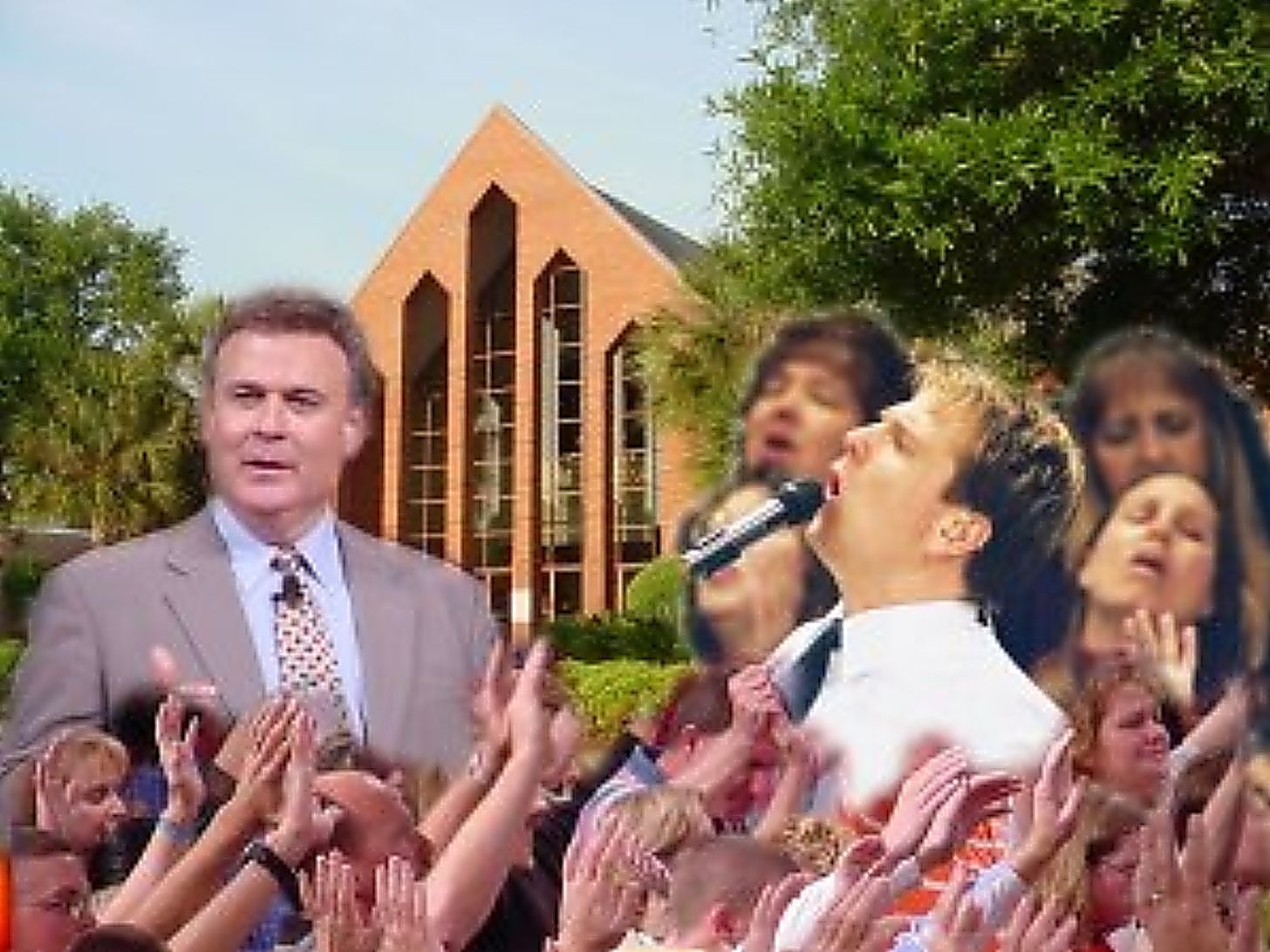

 Transforming Revivals, by Geoff Waugh