In the mid-1990s, a spiritual transformation took place in Goiania, Brazil, a city of 1.2 million. Evangelicals grew from seven percent to over 45 percent in seven years. The movement was very much characterized by prayer, especially among women who formed bands of intercessors.
Around 1990, five women began praying together for the city. Elizabeth Cornelio, a mother and housewife, one of the leaders of the prayer group, was told by her pastor not to pray with Christians from other churches. But, four years later, she began inviting other Christians from various churches to pray in unison for the city. For this, she was expelled from her church.
Eight hundred and fifty came together for the first combined prayer meeting. The movement grew rapidly with nearly 200,000 women praying every morning for the city. Elizabeth Cornelio’s daily radio broadcast brought targeted reports on criminal trends to intercessors. Together they prayed, and a city was changed. After prayer, women went out in the marketplace to pray, simply blessing those around them. When the program was cancelled for three months, the crime rate rose 40 percent. The mayor and chief of police asked that the program be reinstated. The crime rate receded. It was commonly said that the intercessors were ruling the city, not the mayor! Mobile prayer teams went door to door. Most weekends around 150 people would be saved, and a new church would begin.
As thousands prayed, every church in the city grew and new churches were planted. Christians from one denomination prayed and fasted for 40 days at the end of 1998, and planted 372 new churches in January 1999 alone. As 90 local denominations worked together, thousands of prayer leaders were trained, and the flames of a prayer revival spread to other parts of Brazil. Ultimately, prayer cells were established throughout Brazil.
Today the church in Goiania is known as a place where “revival is a lifestyle.” Churches have experienced phenomenal growth. One congregation in the city, the Universal Church of God’s Kingdom, has 80,000 members, seven million nationwide and ten million worldwide. A 24-hour Mountain of Prayer draws many, and miracles are often reported.
What began by prayer is still spreading. Just as natural cells multiply, the prayer cell movement is rapidly growing beyond Brazil and Latin America to other parts of the world.
Carlos Oliveira of PrayerNet International is a revival preacher who comes out of a Goiania church of over 60,000 members. Now based in California, he works with Elizabeth Cornelio as prayer director of the National Intercession Network. Oliveira, who helps establish prayer cells worldwide, says:
God has been doing awesome things, especially in Brazil. Many pastors are coming from different parts of the country to hear about and participate in what God is doing — prayer cells. They are embracing this vision and taking it to their cities.
“We have been now establishing an average of one prayer cell a day in Brazil and around the world. Amazingly, God has directed us to also establish prayer cells in schools and government agencies. So far we have started one cell in a private elementary school and one in the treasury department of the state.
“In Nigeria there’s a church that started a children’s prayer cell. We have started church prayer cells in Nigeria, Kenya, and Pakistan, and are in the process of starting cells also in Taiwan, Togo, Zimbabwe, Ghana, and Angola. Soon, we will have church prayer cells in Hong Kong and Germany.”
Unlike private prayer groups, the prayer cells cover each other in prayer and pray for the whole network. They may be city prayer cells or church prayer cells, but all are encouraged to meet once a week to pray for revival and for their area’s specific needs.
Firmly convinced that prayer makes the difference, Oliveira says, “The most successful churches/ministries in the whole world are those that have ongoing prayer covering.”
Have You Thought?
What began as a small group of women gathering to pray has changed a city, a nation, and the world. Allow God to grow the “small beginnings” in your life.
Transformation Moment
In all our prayer let us remember the lesson the Saviour would teach us this day, that if there is one thing on earth we can be sure of, it is this, that the Father desires to have us filled with His Spirit, that He delights to give us His Spirit.
“And when once we have learned thus to believe for ourselves, and each day to take out of the treasure we hold in heaven, what liberty and power to pray for the outpouring of the Spirit on the Church of God, on all flesh, on individuals, or on special efforts! He that has once learned to know the Father in prayer for himself, learns to pray most confidently for others too. The Father gives the Holy Spirit to them that ask Him, not least, but most, when they ask for others” (Andrew Murray in Lord, Teach Us to Pray)
Article by: Inger J. Logelin Sentinel Group Email, April 16, 2014
The powerful revivals of the eighteenth century spread through Europe, especially England, and to North America. They became known as the Evangelical Revivals in England and the Great Awakening in America. They grew out of the outpouring of the Spirit of God on small communities of refugees which has suffered severe persecution in Europe.
No one present could tell exactly what happened on the Wednesday morning of the specially called Communion service. The glory of the Lord came upon them so powerfully that they hardly knew if they were on earth or in heaven. The Spirit of God moved powerfully on those three hundred refugees in Saxony in 1727. One of their historians wrote:
[Church history] abounds in records of special outpourings of the Holy Ghost, and verily the thirteenth of August, 1727, was a day of the outpouring of the Holy Spirit. We saw the hand of God and his wonders, and we were all under the cloud of our fathers baptized with their Spirit. The Holy Ghost came upon us and in those days great signs and wonders took place in our midst. From that time scarcely a day passed but what we beheld his almighty workings amongst us. A great hunger after the Word of God took possession of us so that we had to have three services every day, at 5.0 and 7.30 a.m. and 9.0 p.m. Every one desired above everything else that the Holy Spirit might have full control. Self love and self will, as well as all disobedience, disappeared and an overwhelming flood of grace swept us all out into the great ocean of Divine Love.
Count Nicholas Ludwig von Zinzendorf (1700-1760), the benefactor and 27-year-old leader of that community, gave this account at a meeting in London in 1752:
We needed to come to the Communion with a sense of the loving nearness of the Saviour. This was the great comfort which has made this day a generation ago to be a festival, because on this day twenty-seven years ago the Congregation of Herrnhut, assembled for communion (at the Berthelsdorf church) were all dissatisfied with themselves. They had quit judging each other because they had become convinced, each one, of his lack of worth in the sight of God and each felt himself at this Communion to be in view of the noble countenance of the Saviour. …
In this view of the man of sorrows and acquainted with grief, their hearts told them that he would be their patron and their priest who was at once changing their tears into oil of gladness and their misery into happiness. This firm confidence changed them in a single moment into a happy people which they are to this day, and into their happiness they have since led many thousands of others through the memory and help which the heavenly grace once given to themselves, so many thousand times confirmed to them since then.
Zinzendorf described it as “a sense of the nearness of Christ” given to everyone present, and also simultaneously to two members of their community working twenty miles away.
The Moravian brethren had grown from the work and martyrdom of the Bohemian Reformer, John Hus. They suffered centuries of persecution. Many had been killed, imprisoned, tortured or banished from their homeland. This group had fled for refuge to Germany where the young Christian nobleman, Count Zinzendorf, offered them asylum on his estates in Saxony. They named their new home Herrnhut, ‘the Lord’s Watch’. From there, after their baptism of fire, they became pioneering evangelists and missionaries.
Fifty years before the beginning of modern missions with William Carey, the Moravian Church had sent out over 100 missionaries. Their English missionary magazine, Periodical Accounts, inspired Carey. He threw a copy of the paper on a table at a Baptist meeting, saying, “See what the Moravians have done! Cannot we follow their example and in obedience to our Heavenly Master go out into the world, and preach the Gospel to the heathen?”
That missionary zeal began with the outpouring of the Holy Spirit. Zinzendorf observed: “The Saviour permitted to come upon us a Spirit of whom we had hitherto not had any experience or knowledge. … Hitherto we had been the leaders and helpers. Now the Holy Spirit himself took full control of everything and everybody.”
Converted in early childhood, at four years of age Zinzendorf composed and signed a covenant: “Dear Saviour, be mine, and I will be Thine.” His life motto was, “Jesus only”.
Zinzendorf learned the secret of prevailing prayer. He actively established prayer groups as a teenager, and on finishing college at Halle at sixteen he gave Professor Francke a list of seven praying societies he had established.
The disgruntled community at Herrnhut early in 1727 criticized one another. Heated controversies threatened to disrupt the community. The majority belonged to the ancient Moravian Church of the Brethren. Other believers attracted to Herrnhut included Lutherans, Reformed, and Anabaptists. They argued about predestination, holiness, and baptism.
Zinzendorf, pleaded for unity, love and repentance. At Herrnhut, Zinzendorf visited all the adult members of the deeply divided community. He drew up a covenant calling upon them to seek out and emphasize the points in which they agreed rather than stressing their differences.
On 12 May, 1727, they all signed the ‘Brotherly Covenant’ dedicating their lives, as Zinzendorf had dedicated his, to the service of the Lord Jesus Christ. The Moravian revival of 1727 was preceded and then sustained by extraordinary personal and communal, united prayer. A spirit of grace, unity, and supplications grew among them.
On 16 July Zinzendorf poured out his soul in a prayer accompanied with a flood of tears. This prayer produced an extraordinary effect. The whole community began praying as never before.
On 22 July many of the community covenanted together on their own accord to meet often to pour out their hearts in prayers and hymns.
On 5 August Zinzendorf spent the whole night in prayer with about twelve or fourteen others following a large meeting for prayer at midnight where great emotion prevailed.
On Sunday, 10 August, Pastor Johann Rothe, a Pietist friend of Zinzendorf and minister of the Berthelsdorf parish church, was overwhelmed by the Spirit about noon. He sank down into the dust before God. So did the whole congregation. They continued till midnight in prayer and singing, weeping and praying.
On Wednesday, 13 August, the Holy Spirit was poured out on them all at the specially arranged communion service in the Berthelsdorf church. Their prayers were answered in ways far beyond anyone’s expectations. Many of them decided to set aside certain times for continued earnest prayer.
On Tuesday 26 August, twenty-four men and twenty-four women covenanted together to continue praying in intervals of one hour each, day and night, each hour allocated by lots to different people.
On Wednesday, 27 August, this new regulation began. Others joined the intercessors and the number involved increased to seventy-seven. They all carefully observed the hour which had been appointed for them. The intercessors had a weekly meeting where prayer needs were given to them.
The children began a similar plan among themselves. Those who heard their infant supplications were deeply moved. The children’s prayers and supplications had a powerful effect on the whole community.
That astonishing prayer meeting beginning in 1727 lasted a century. Known as the Hourly Intercession, it involved relays of men and women in prayer without ceasing made to God. That prayer also led to action, especially evangelism. More than 100 missionaries left that village community in the next twenty-five years, all constantly supported in prayer.
One result of their baptism in the Holy Spirit was a joyful assurance of their pardon and salvation. This made a strong impact on people in many countries, including the Wesleys. Their prayers and witness profoundly affected the eighteenth-century evangelical awakening.
1735 – January: New England, North America (Jonathan Edwards)
Jonathan Edwards
Jonathan Edwards (1703-1758), the preacher and scholar who later became a President of Princeton University, was a prominent leader in a revival movement which came to be called the Great Awakening as it spread through the communities of New England and the pioneering settlements in America. Converts to Christianity reached 50,000 out of a total of 250,000 colonists. Early in 1735, an unusually powerful move of God’s Spirit brought revival to Northampton, which then spread through New England in the north-east of America. Edwards noted that
a great and earnest concern about the great things of religion and the eternal world, became universal in all parts of the town, and among persons of all degrees and all ages; the noise among the dry bones waxed louder and louder; all other talk but about spiritual and eternal things, was soon thrown by….
The minds of people were wonderfully taken off from the world; it was treated among us as a thing of very little consequence. They seemed to follow their worldly business, more as a part of their duty, than from any disposition they had to it….
And the work of conversion was carried on in a most astonishing manner, and increased more and more; souls did as it were come by flocks to Jesus Christ. From day to day, for many months together, might be seen evident instances of sinners brought out of darkness into marvellous light … with a new song of praise to God in their mouths…
Our public assemblies were then beautiful: the congregation was alive in God’s service, every one earnestly intent on the public worship, every hearer eager to drink in the words of the minister as they came from his mouth; the assembly in general were, from time to time, in tears while the word was preached; some weeping with sorrow and distress, others with joy and love, others with pity and concern for the souls of their neighbours….
Those amongst us who had been formerly converted, were greatly enlivened, and renewed with fresh and extraordinary incomes of the Spirit of God; though some much more than others, according to the measure of the gift of Christ. Many who before had laboured under difficulties about their own state, had now their doubts removed by more satisfying experience, and more clear discoveries of God’s love.
Describing the characteristics of the revival, Edwards said that it gave people
an extraordinary sense of the awful majesty, greatness and holiness of God, so as sometimes to overwhelm soul and body; a sense of the piercing, all seeing eye of God, so as sometimes to take away the bodily strength; and an extraordinary view of the infinite terribleness of the wrath of God, together with a sense of the ineffable misery of sinners exposed to this wrath. … and … longings after more love to Christ, and greater conformity to him; especially longing after these two things, to be more perfect in humility and adoration. The flesh and the heart seem often to cry out, lying low before God and adoring him with greater love and humility. … The person felt a great delight in singing praises to God and Jesus Christ, and longing that this present life may be as it were one continued song of praise to God. … Together with living by faith to a great degree, there was a constant and extraordinary distrust of our own strength and wisdom; a great dependence on God for his help … and being restrained from the most horrid sins.
1739 – January: London, England (John Wesley, George Whitefield)
George WhitefieldJohn Wesley
When the New England revival was strongest, George Whitefield (1714-1770) in England and Howell Harris (1714-1773) in Wales were both converted at 21 in 1735. Both ignited revival fires, seeing thousands converted and communities changed. By 1736 Harris began forming his converts into societies and by 1739 there were nearly thirty such societies. Whitefield travelled extensively, visiting Georgia in 1738 (the first of seven journeys to America), then ministering powerfully with Howell Harris in Wales 1739 and with Jonathan Edwards in New England in 1740, all in his early twenties.
At the end of 1735, John Wesley (1703-1791) sailed to Georgia, an American colony. A company of Moravian immigrants travelled on that vessel. During a storm they faced the danger of shipwreck. John Wesley wrote in his journal for Sunday 25 January 1736:
At seven I went to the Germans. I had long before observed the great seriousness of their behaviour. Of their humility they had given a continual proof by performing those servile offices for the other passengers which none of the English would undertake; for which they desired and would receive no pay, saying, “It was good for their proud hearts,” and “their loving Saviour had done more for them.” And every day had given them occasion of showing a meekness, which no injury could move. If they were pushed, struck or thrown down, they rose again and went away; but no complaint was found in their mouth. Here was now an opportunity of trying whether they were delivered from the spirit of fear, as well as from that of pride, anger and revenge. In the midst of the Psalm wherewith their service began, the sea broke over, split the main sail in pieces, covered the ship and poured in between the decks, as if the great deep had already swallowed us up. A terrible screaming began among the English. The Germans calmly sung on. I asked one of them afterwards: “Were you not afraid?” He answered, “I thank God, no.” I asked: “But were not your women and children afraid?” He replied mildly: “No, our women and children are not afraid to die.”
Back in England in 1738 after John Wesley’s brief and frustrating missionary career, the Wesleys were challenged by the Moravian missionary Peter Bohler. In March 1738 John Wesley wrote:
Saturday 4 March I found my brother at Oxford, recovering from his pleurisy; and with him Peter Bohler, by whom (in the hand of the great God) I was, on Sunday the 5th, clearly convinced of unbelief, of the want of that faith whereby alone we are saved.
Immediately it struck into my mind, “Leave off preaching. How can you preach to others, who have not faith yourself?” I asked Bohler whether he thought I should leave it off or not. He answered, “By no means.” I asked, “But what can I preach?” He said, “Preach faith till you have it; and then, because you have it, you will preach faith.”
Monday, 6 March I began preaching this new doctrine, though my soul started back from the work. The first person to whom I offered salvation by faith alone was a prisoner under sentence of death. His name was Clifford. Peter Bohler had many times desired me to speak to him before. But I could not prevail on myself so to do; being still a zealous assertor of the impossibility of a death bed repentance.
Both John and Charles were converted in May 1738, Charles first, and John three days later
on Wednesday 24 May. He wrote his famous testimony in his Journal:
In the evening I went very unwillingly to a society in Aldersgate Street, where one was reading Luther’s preface to the Epistle to the Romans. About a quarter before nine, while he was describing the change which God works in the heart through faith in Christ, I felt my heart strangely warmed. I felt I did trust in Christ, Christ alone, for salvation; and an assurance was given me, that he had taken away my sins, even mine, and saved me from the law of sin and death.
Later that year John Wesley visited the Moravian community at Herrnhut. He admired their
zeal and love for the Lord, and he prayed that their kind of Christianity, full of the Holy Spirit, would spread through the earth. Back in England he preached evangelically, gathered
converts into religious societies (which were nicknamed Methodists because of his methodical procedures), and continued to relate warmly with the Moravians. Evangelical revival fires began to stir in England and burst into flame the following year.
1739 saw astonishing expansion of revival in England. On the evening of 1 January the Wesleys and Whitefield (recently back from America) and four others from their former Holy Club at Oxford University, along with 60 others, met in London for prayer and a love feast. The Spirit of God moved powerfully on them all. Many fell down, overwhelmed. The meeting went all night and they realised they had been empowered in a fresh visitation from God.
Mr Hall, Kinchin, Ingham, Whitefield, Hitchins, and my brother Charles were present at our lovefeast in Fetter Lane, with about sixty of our brethren. About three in the morning, as we were continuing instant in prayer, the power of God came mightily upon us, insomuch that many cried out for exceeding joy, and many fell to the ground. As soon as we were recovered a little from that awe and amazement at the presence of his majesty, we broke out with one voice, “We praise Thee, O God, we acknowledge Thee to be the Lord.”
This Pentecost on New Year’s Day launched the revival known later as the Great Awakening. Revival spread rapidly. In February 1739 Whitefield started preaching to the Kingswood coal miners in the open fields near Bristol because many churches opposed him, accusing him and other evangelicals of ‘enthusiasm’. In February about 200 attended. By March 20,000 attended. Whitefield invited Wesley to take over then and so in April Wesley reluctantly began his famous open-air preaching, which continued for 50 years.
He described that first weekend in his Journal:
Saturday, 31 March In the evening I reached Bristol, and met Mr Whitefield. I could scarce reconcile myself at first to this strange way of preaching in the fields, of which he set me an example on Sunday; having been all my life (till very lately) so tenacious of every point relating to decency and order, that I should have thought the saving of souls almost a sin if it had not been done in a church.
Sunday, 1 April In the evening, I begun expounding our Lord’s Sermon on the Mount (one pretty remarkable precedent of field preaching) to a little society in Nicholas Street.
Monday, 2 April At four in the afternoon I submitted to be more vile, and proclaimed in the highways the glad tidings of salvation, speaking from a little eminence in a ground adjoining to the city, to almost three thousand people. The scripture on which I spoke was “The Spirit of the Lord is upon me, because he has anointed me to preach the gospel to the poor.”
Sometimes strange manifestations accompanied revival preaching. Wesley wrote in his Journal of 26 April 1739 that during his preaching at Newgate, Bristol, “One, and another, and another sunk to the earth; they dropped on every side as thunderstruck.”
He returned to London in June reporting on the amazing move of God’s Spirit with many conversions and many people falling prostrate, a phenomenon he never encouraged. Features of this revival were enthusiastic singing, powerful preaching, and the gathering of converts into small societies called weekly Class Meetings.
Initially, leaders such as George Whitefield criticized some manifestations in Wesley’s meetings, but this changed. Wesley wrote on 7 July 1739:
I had opportunity to talk with Mr Whitefield about those outward signs which had so often accompanied the inward work of God. I found his objections were chiefly grounded on gross misrepresentations of matter of fact. But the next day he had opportunity of informing himself better: for no sooner had he begun (in the application of his sermon) to invite all sinners to believe in Christ, than four persons sank down, close to him, almost in the same moment. One of them lay without either sense or motion; a second trembled exceedingly; the third had strong convulsions all over his body, but made no noise, unless by groans; the fourth, equally convulsed, called upon God, with strong cried and tears. From this time, I trust, we shall all suffer God to carry on His own work in the way that pleaseth Him.
Both John Wesley and George Whitefield continued preaching outdoors as well as in churches which welcomed them. Whitefield’s seven visits to America continued to fan the flames of revival there.
Revival caught fire in Scotland also. After returning again from America in 1741, Whitefield visited Glasgow. Two ministers in villages nearby invited him to return in 1742 because revival had already begun in their area. Conversions and prayer groups multiplied. Whitefield preached there at Cambuslang about four miles from Glasgow. The opening meetings on a Sunday saw the great crowds on the hillside gripped with conviction, repentance and weeping more than he had seen elsewhere. The next weekend 20,000 gathered on the Saturday and up to 50,000 on the Sunday for the quarterly communion. The visit was charged with Pentecostal power which even amazed Whitefield.
1745 – August: Crossweeksung, North America (David Brainerd)
David Brainerd
Jonathan Edwards published the journal of David Brainerd (1718-1747), a missionary to the North American Indians from 1743 to his death at 29 in 1747. Brainerd tells of revival breaking out among Indians at Crossweeksung in August 1745 when the power of God seemed to come like a rushing mighty wind. The Indians were overwhelmed by God. The revival had greatest impact when Brainerd emphasised the compassion of the Saviour, the provisions of the gospel, and the free offer of divine grace. Idolatry was abandoned, marriages repaired, drunkenness practically disappeared, honesty and repayments of debts prevailed. Money once wasted on excessive drinking was used for family and communal needs. Their communities were filled with love.
Part of his journal for Thursday 8 August reads:
The power of God seemed to descend on the assembly “like a rushing mighty wind” and with an astonishing energy bore all down before it. I stood amazed at the influence that seized the audience almost universally and could compare it to nothing more aptly than the irresistible force of a mighty torrent… Almost all persons of all ages were bowed down with concern together and scarce was able to withstand the shock of astonishing operation.
On November 20, he described the revival at Crossweeksung in his general comments about that year in which he had ridden his horse more than 3,000 miles to reach Indian tribes in New England:
I might now justly make many remarks on a work of grace so very remarkable as this has been in divers respects; but shall confine myself to a few general hints only.
1. It is remarkable that God began this work among the Indians at a time when I had least hope and, to my apprehension, the least rational prospect of seeing a work of grace propagated amongst them. …
2. It is remarkable how God providentially, and in a manner almost unaccountable, called these Indians together to be instructed in the great things that concerned their souls; how He seized their minds with the most solemn and weighty concern for their eternal salvation, as fast as they came to the place where His Word was preached…
3. It is likewise remarkable how God preserved these poor ignorant Indians from being prejudiced against me and the truths I taught them…
4. Nor is it less wonderful how God was pleased to provide a remedy for my want of skill and freedom in the Indian language by remarkably fitting my interpreter for, and assisting him in, the performance of his work…
5. It is further remarkable that God has carried on His work here by such means, and in such manner, as tended to obviate and leave no room for those prejudices and objections that have often been raised against such a work … [because] this great awakening, this surprising concern, was never excited by any harangues of terror, but always appeared most remarkable when I insisted upon the compassions of a dying Saviour, the plentiful provisions of the gospel, and the free offers of divine grace to needy distressed sinners.
6. The effects of this work have likewise been very remarkable. … Their pagan notions and idolatrous practices seem to be entirely abandoned in these parts. They are regulated and appear regularly disposed in the affairs of marriage. They seem generally divorced from drunkenness … although before it was common for some or other of them to be drunk almost every day. … A principle of honesty and justice appears in many of them, and they seem concerned to discharge their old debts. … Their manner of living is much more decent and comfortable than formerly, having now the benefit of that money which they used to consume upon strong drink. Love seems to reign among them, especially those who have given evidence of a saving change. Back to top
1781 – December: Cornwall, England
A Humble Attempt Reprint
Forty years after the Great Awakening began the fires of revival had died out in many places. Concerned leaders called the church to pray.
Jonathan Edwards in America had written a treatise called, ‘A Humble Attempt to Promote Explicit Agreement and Visible Union of God’s People in Extraordinary Prayer for the Revival of Religion and the Advancement of Christ’s Kingdom on Earth‘. It was reprinted in both England and Scotland and circulated widely.
John Erskine of Edinburgh persisted in urging prayer for revival through extensive correspondence around the world. He instigated widespread combined churches monthly prayer meetings for revival called Concerts of Prayer.
An example of the prayer movement was the effect in Cornwall in the 1780s. On Sunday, Christmas Day 1781, at St. Just Church in Cornwall, at 3 a.m., intercessors met to sing and ray. The Spirit moved among them and they prayed until 9 a.m. and regathered on Christmas evening. By March 1782 they were praying each evening until midnight.
Two years later in 1784, when 83 year old John Wesley visited that area, he wrote, “This country is all on fire and the flame is spreading from village to village.”
The chapel which George Whitefield had built decades previously in Tottenham Court Road, London, had to be enlarged to seat 5,000 people, the largest in the world at that time. Baptist churches in North Hampton, Leicester, and the Midlands, set aside regular nights for prayer for revival. Methodists and Anglicans joined them. Converts were being won at the prayer meetings. Some were held at 5 a.m., some at midnight. Some unbelievers were drawn by dreams and visions. Some came to scoff but were thrown to the ground under the power of the Holy Spirit. Sometimes there was noise and confusion; sometimes stillness and solemnity. But always there was that ceaseless outpouring of the Holy Spirit. Whole denominations doubled, tripled and quadrupled in the next few years. The number of dissenting churches increased from 27 in 1739 to 900 in 1800, 5,000 by 1810 and 10,000 by 1820. It swept out from England to Wales, Scotland, United States, Canada, and to some Third World countries.
That eighteenth-century revival of holiness brought about a spiritual awakening in England and America, established the Methodists with 140,000 members by the end of the century, and renewed other churches and Christians. It impacted the nation with social change and created the climate for political reform such as the abolition of slavery through the reforms of William Wilberforce, William Buxton and others. John Howard and Elizabeth Fry led prison reform. Florence Nightingale founded modern nursing. Ashley Cooper, the Earl of Shaftesbury, reformed labour conditions.
The movement grew. William Carey, Andrew Fuller, John Sutcliffe and other leaders began the Union of Prayer, calling Christians to pray together regularly for revival. By 1792, the year after John Wesley died, this Second Great Awakening (1792 1830) began to sweep Great Britain and America.
Summaries of Revivals
from these two books by Geoff Waugh:
Flashpoints of Revival
Revival Fires
Pentecost to the Reformation
Significant impacts of the Spirit of God have continued through history. These Spirit movements were often ignored, minimized or denigrated for many reasons:
1. Some historians wrote for predominantly secular purposes, so ignored significant Spirit movements. Josephus referred only briefly to Jesus and his troublesome sect.
2. Many historians wrote from the perspective of the established church, which often opposed and suppressed revival movements.
3. Strong impacts of the Spirit constantly initiated new movements which criticised and threatened the established order, so these movements were opposed, their writings destroyed and many leaders martyred.
4. Authentic revival movements were often regarded as heretical, and their leaders killed, as happened with Jesus, the leaders in the early church, and throughout history.
5. Some Spirit movements became cults with heretical teachings, and so brought disrepute on the whole movement and suspicion concerning charismata, especially prophecies, so they were opposed and suppressed.
6. Personal and historical accounts of impacts of the Spirit have been systematically destroyed during subsequent historical periods, often burned as heretical.
7. Excessive enthusiasm or fanaticism in revival movements have brought these genuine Spirit movements into disrepute and so generated more opposition.
8. Leaders and adherents of revivals have often been occupied with other pressing priorities such as ensuring their own survival rather than recording their history.
However, records have survived, mostly after the invention of the printing press. Revivals demonstrate biblical patterns of authentic Spirit movements. Evangelical revivals provide evidence of these charismatic encounters that became the empowering force in revival.
Charismatic impacts in Spirit movements are normal in many revivals among masses of people. Throughout history many people led reform and revival movements that powerfully affected the church and the community.
Before Constantine the church spread rapidly in spite of, and even because of, persecution. The witness of the martyrs influenced many people. After Constantine the Holy Spirit continued his work in the church and the world, often causing strong opposition as in the New Testament. He did not take a break during the Middle Ages!
Irenaeus (d 195), a student of the Apostle John’s disciple Polycarp, led a considerable spiritual awakening in Lyons in southern Gaul where in addition to his Episcopal responsibilities he learned the local language and his preaching was accompanied by gifts of the Spirit, exorcisms and reports of some raised from the dead.
The Montanists, or the New Prophecy movement, flourished in Asia Minor from the second half of the second century into the fifth century. This movement included a revival of prophecies and of acknowledged prophets including women, a challenge for Christians to forsake worldly attitudes with stricter living standards in Christian communities, and a strong belief in the second coming of Christ with the ideal society soon to be established in the New Jerusalem. Montanus spoke in tongues and began prophesying at his baptism, and taught that the gifts of the Holy Spirit were still available. The lawyer-theologian Tertullian (c 150-223) became the most famous convert to Montanism when he joined that movement early in the third century. The movement came into disrepute because of excesses, particularly in prophecy, but it became a strong challenge to the lax state of the church at that time.
Gregory the Wonderworker (c 213-270), converted through contact with Origen (c 185-254), became bishop of his native Pontus and appears to have led a strong movement of conversion till most of his diocese was Christian.
The church fathers founded monastic orders devoted to serving of God and people, often in protest to laxity and nominal Christianity in the church. Many of these leaders led strong spiritual movements including various miracles, healings and exorcisms, although caution is needed in distinguishing between fact and subsequent fiction.
Augustine of Hippo in North Africa (354-430), strongly influenced the church and society through his writings. His earlier writings indicated a cessation of the charismata in his time, a position which strongly influenced western theology, even though his later writing acknowledged that miracles occurred in relation to the sacraments, prayer of the relics of the saints, and his work The City of God included a chapter entitled “Concerning Miracles Which Were Wrought in Order that the World Might Believe in Christ and Which Cease Not to Be Wrought Now That the World Does Believe.”
Patrick (389-c 461) told of the conversions of thousands of the Irish, initiating active Celtic missionary activity including subsequent evangelism by Columba (521-597) in Scotland and Columban and others in France, Switzerland and northern Italy. By 600 Augustine of Canterbury and his missionaries saw thousands accept Christianity in England and it was reported that they imitated the powers of the apostles in the signs which they displayed.
In the twelfth century Peter Waldo and the Waldensians began reform and revival movements which challenged the church and impacted society. Francis of Assisi in the thirteenth century called people to forsake all and follow Jesus. Many did. They influenced others in society. John Wycliffe and his itinerant preachers, the Lollards, made a powerful impact on England in the fourteenth century. They aroused strong opposition leading to many becoming martyrs.
In the fifteenth century John Hus in Bohemia and Savonarola in Italy led strong reform movements which brought revival but led to their martyrdoms. Hus was known for his unblemished purity of life and uncompromising stand for truth in a decadent society. Savonarola fasted, prayed and preached with prophetic fire which confronted evils of his time, filled the churches, and brought honesty into much of civic and business life.
Gutenburg’s printing press invented in 1456 made the Scriptures widely available. This helped spark the sixteenth century Reformation with leaders such as Huldrych Zwingli in Switzerland initially calling for freedom of conscience though later denying this for others, Martin Luther in Germany proclaiming justification by faith alone based on the supreme authority of scripture, and John Calvin in Geneva emphasizing the awesome sovereignty and grace of God. Radical reformers, such as Felix Manz the first Anabaptist martyr, were killed by some of the reformers in those days of heated religious conflict. John Knox fearlessly called Scotland to repentance amid the intense political and religious fervour of the times.
Since then many revivals won thousands of people to faith in Jesus Christ and made a powerful impact on society. It still happens.
Revival historian Edwin Orr described the major evangelical awakenings as:
the First Great Awakening of 1727-1745,
the Second Awakening of 1790-1830 (The Eager Feet, fired with missionary commitment),
the Third Awakening of 1858-60 (The Fervent Prayer, spread through countless prayer groups) and
the Worldwide Awakening from 1900 (The Flaming Tongue, spreading the word around the globe).
Since then we have also seen similar Great Awakenings worldwide including
the Healing Evangelism Revivals from 1948, including charismatic renewal and revival, and
the Blessing Revivals from the 1990s, into
the Transforming Revivals of the 21st century.
Summaries of Revivals
from these two books by Geoff Waugh:
Flashpoints of Revival
Revival Fires
Biblical Background
The Spirit of the Lord is upon me,
because he has anointed me
to bring good news to the poor.
He has sent me to proclaim
release to the captives
and recovery of sight to the blind,
to let the oppressed go free,
to proclaim the year of the Lord’s favour
(Luke 4:18-19; Isaiah 61:1-2).
Jesus, reading from Isaiah’s prophecy, claimed its fulfilment in himself. He explained his mission as the Messiah (the Christ, the Anointed One) in terms of being empowered by the anointing of the Spirit of the Lord for his ministry. That ministry, specifically to the poor, captives, blind, and oppressed, demonstrated the liberating good news of the Lord’s favour.
That grace and favour met personal and institutional resistance. Jesus illustrated his mandate in his home synagogue with the biblical accounts of the Lord providing for the Gentile Sidon widow and the Syrian army officer. The congregation’s rage erupted into one of the many assassination attempts on Jesus’ life. His anointed ministry drove him to the cross.
The ministry of Jesus and of his church seen in the ‘revivals’ of the early church show both the powerful nature of the Spirit’s anointing and its power to confront evil.
This book emphasizes the importance of these impacts of the Holy Spirit, demonstrated biblically and also historically in revivals. It shows the importance of the Great Commission of Matthew 28:18-20, which declares that Jesus’ followers throughout history ‘to the end of the age’ would obey everything he taught his first disciples. They learned to serve and minister in the power of the Spirit.
Revivals show how different perspectives on Spirit movements find common ground in evangelism, ministry, and in social action.
Different Christian traditions emphasise different dimensions of being baptised in the Spirit. Rather than seeing these perspectives as mutually exclusive, they may be seen as inter-related and integrated. The evangelical emphasis on conversion, the Catholic and Episcopal emphasis on initiation, the Reformed emphasis on covenant, and the Pentecostal emphasis on charismata can be integrated in a dynamic view of Spirit baptism. These perspectives all thrown light on powerful Spirit movements in revival, like facets of a brilliant diamond.
Revival
Revival is God pouring out his Spirit on all people.
Revivals have been thoroughly described and analysed. The Christian term ‘revival’ may be traced to its earliest use in the phrase “revival of religion.”
The Oxford Association for Research in Revival, formed in 1974 through the work of revival historian J. Edwin Orr, distinguished between ‘revival’ for believers and ‘awakening’ for the community:
A spiritual awakening is a movement of the Holy Spirit bringing about a revival of New Testament Christianity in the Church of Christ and its related community. … The outpouring of the Spirit accomplishes the reviving of the Church, the awakening of the masses and the movements of uninstructed people toward the Christian faith; the revived Church, by many or by few, is moved to engage in evangelism, in teaching and in social action.
The terms ‘revival’ and ‘awakening’ have been used interchangeably in revival literature. ‘Revival’ now usually refers to local revivals of spiritual life and commitment within the church but also touching the surrounding community through conversions and social transformation. ‘Awakening’ usually refers to the more widespread influence of revivals across a large area and for a more extended period of time with considerable influence in the community and the nation.
Martin Lloyd-Jones described revival this way:
“It is an experience in the life of the Church when the Holy Spirit does an unusual work. He does that work, primarily, amongst the members of the Church; it is a reviving of the believers. You cannot revive something that has never had life, so revival, by definition, is first of all an enlivening and quickening and awakening of lethargic, sleeping, almost moribund Church members. Suddenly the power of the Spirit comes upon them and they are brought into a new and more profound awareness of the truths that they previously held intellectually, and perhaps at a deeper level too. They are humbled, they are convicted of sin, they are terrified at themselves. Many of them feel they had never been Christians. And they come to see the great salvation of God in all its glory and to feel its power. Then, as the result of their quickening and enlivening, they begin to pray. New power comes into the preaching of ministers, and the result of this is that large numbers who were previously outside the Church are converted and brought in.”
Revivals may be examined as sociological phenomena. Revivals occur within a sociological context and usually affect and change that context. The sociological discourses are relevant as significant social explanations, but they often exclude the theological dimensions of divine initiative and intervention, supernatural phenomena, and human repentance and faith. Repentance, renewal and divine intervention feature prominently in revival accounts, adding fuller dimensions to the secular sociological explanations of revival phenomena.
Furthermore, Christian revivals often include mass evangelism meetings, but revival also needs to be distinguished from the use of the term ‘revival’ for evangelistic meetings. When ‘revival’ is used for a scheduled revival meeting, such as once a week in a local church, the term is being used in a limited, narrow sense rather than in its historical meaning.
Revival refers to the Lord pouring out his Spirit on everyone.
Biblical witness
The Bible affirms specific, identifiable and profound impacts of the Holy Spirit in the redemptive, liberating action of God in Spirit movements. Biblical terms describing charismatic impacts of the Spirit vary greatly in both the Old and New Testaments. They include the following, with these representative references:
the Spirit was given – Numbers 11:17; John 7:39;
the Spirit came upon – Judges 3:10; Acts 19:5;
the Spirit took control – Judges 6:34; 1 Samuel 11:6; 16:13;
the Spirit poured out – Joel 2:28 28; Acts 10:45;
the Spirit came down – Matthew 3:16; Luke 3:22; John 1:33;
the Spirit fell (or came down) Acts 10:44; 11:15;
the Spirit received – Acts 8:15 17; 19:2;
baptised in or with the Spirit – Luke 3:16; John 1:33; Acts 1:5;
filled with the Spirit – Acts 2:4; 9:17; Ephesians 5:18.
The specific nature of these charismatic impacts is significant, as is the varied nature of subsequent charismata and ministries resulting from these impacts. Luke’s narrative discourses in his gospel and the Acts emphasise the importance of the empowering presence of the Holy Spirit in the ministry of Jesus and his followers, and all the gospel accounts describe the impact of the Holy Spirit upon Jesus at his baptism and in his subsequent ministry.
The Old Testament
The unique Hebrew monotheism involved covenant relationship with God, Yahweh, as supreme. Consequently, any deviation from God’s rule required repentance and restoration in personal, communal, national and ultimately in international relationships.
Revival as repentance and return to that covenant relationship is typical of Spirit movements in the Old Testament. However, periods of covenant renewal were not necessarily times of revival, particularly where people merely conformed outwardly to the edicts of their godly rulers. Revival as an outpouring of the Spirit on everyone is foreshadowed, rather than fulfilled, in the Old Testament. The new covenant blessings involve outpourings of the Spirit in the promised messianic era.
The popular, generic biblical ‘revival’ statement is God’s promise to answer the prayers of his repentant people with the restoration of shalom in the healing of the land. This promise, given to Solomon in a night vision at the time of the dedication of the first temple, answered his public national prayer of 2 Chronicles 6 (specifically verses 26-27), with the assurance of God’s faithfulness to his covenant: “If my people who are called by my name will humble themselves, and pray and seek my face, and turn from their wicked ways, then I will hear from heaven, and will forgive their sin and heal their land” (2 Chronicles 7:14).
Kaiser notes the significance of 2 Chronicles 7:14, as demonstrated in repentance and reform movements during the reigns of Asa, Jehoshaphat, Hezekiah and Josiah in Judah. Although commentators refer to this passage in terms of the writer’s doctrine of retribution, it is also justified exegetically as a pattern for revival as demonstrated in Israel’s history and more completely in the messianic era of the Spirit following Pentecost.
Spirit movements in the Old Testament demonstrate God’s faithfulness to this covenant promise. Revival or reform always involved returning to theocratic rule, with the prophets as the guardians of the theocracy. Kings were accountable to God, and the true prophets spoke from God.
Where repentance occurred, often in times of crisis and need, the Spirit of the Lord intervened powerfully on the nation and on other nations with glimpses of the blessings of the promised messianic rule.
Examples of ‘revival’ in Israel’s history include movements of reform and repentance under the leadership of:
1. Jacob-Israel (Genesis 35:1 15),
2. Samuel (1 Sameul 7:1-17),
3. Asa (2 Chronicles 15:1 15),
4. Joash (2 Kings 11 12; 2 Chronicles 23 24),
5. Hezekiah (2 Kings 18:1 8; 2 Chronicles 29 31),
6. Josiah (2 Kings 22 23; 2 Chronicles 34 35),
7. Jonah (Jonah 1-4, involving Ninevah),
8. Haggai and Zechariah with Zerubbabel (Ezra 5 6)
9. Ezra with Nehemiah (Nehemiah 9:1 6; 12:44 47).
Although these are not the only occasions of repentance and reform, they were national movements of return to the covenant obligations, and they document the fulfilment of the covenant promises and obligations with typical revival phenomena. Revivals in Israel’s history included these characteristics:
1. They occurred in times of moral darkness and national depression;
2. Each began in the heart of a consecrated servant of God who became the energising power behind it;
3. Each revival rested on the Word of God, and most were the result of proclaiming God’s Word with power;
4. All resulted in a return to the worship of God;
5. Each witnessed the destruction of idols where they existed;
6. In each revival, there was a recorded separation from sin, especially destruction of idols;
7. In every revival the people returned to obeying God’s laws;
8. There was a restoration of great joy and gladness;
9. Each revival was followed by a period of national prosperity.
Revival movements in the Old Testament demonstrated God’s faithfulness to his covenant relationship, but the prophets saw such movements as harbingers of the messianic age in which the promise of shalom would be fulfilled, not merely externally upon anointed members of the covenant community, but internally by the outpouring of the Spirit of the Lord upon all people.
The New Testament
Jesus fulfilled and completed the messianic promises in himself. This included the promise of the outpouring of the Spirit. Jesus experienced the empowering of the Spirit at his baptism, which he explained in terms of being anointed for ministry (Luke 4:18-19).
The Spirit-empowered preaching and ministry of the twelve and the seventy also proclaimed and demonstrated the messianic kingdom of God. However, the disciples often failed to understand the significance of the Spirit’s liberating presence, and often showed lack of faith and vision, both before and after Pentecost.
Jesus inaugurated the new era of his new blood covenant. His church, filled with his Spirit, still fulfils his mission in the world. The cross and resurrection remain the ultimate and essential victory over evil. Authentic revival demonstrates the triumph of the cross and the presence and power of the risen Lord in his people by his Spirit.
The early church lived in revival. It saw rapid growth in the power of the Holy Spirit from the initial outburst at Pentecost. Multitudes joined the church, amid turmoil and persecution. As with Pentecost, revivals are often unexpected, sudden, revolutionary, and impact large numbers of people bringing them to repentance and faith in Jesus the Lord.
Characteristics typical of revival can be found in the widely acknowledged prototype of revival in the Pentecost account. These themes recur constantly in accounts of Spirit movements in revival. Stott notes revival characteristics in Acts 2: “Pentecost has been called – and rightly – the first ‘revival’, using this word to denote one of those altogether unusual visitations of God, in which a whole community becomes vividly aware of his immediate, overpowering presence. It may be, therefore, that not only the physical phenomena (vv 2ff), but the deep conviction of sin (v 37), the 3,000 conversions (v 41) and the widespread sense of awe (v 43) were signs of ‘revival.’”
Revivals continually display the characteristics and phenomena of the Pentecost account, including:
1 Divine sovereignty (Acts 2:1,2): God chose the day, the time, the place, the people, uniting old covenant promise with new covenant fulfilment. His Spirit came suddenly and people were overwhelmed at the Pentecost harvest festival.
2 Prayer (Acts 1:14; 2:1): The believers gathered together to pray and wait on God as instructed by the Jesus at the ascension. All revival literature emphasises the significance of united, earnest, repentant prayer in preparing the way for revival and sustaining it.
3 Unity (Acts 2:1): The disparate group meeting ‘in one accord’ included male and female, old and young, former zealot and former collaborator, most of the twelve and those who joined them. Their differences blended into the diversity of enriched unity .
4 Obedience to the Spirit (Acts 2:4): Filled with the Spirit they immediately began using gifts of the Spirit as ‘the Spirit gave utterance’.
5 Preaching (Acts 2:14): Peter preached with anointed Spirit-empowered boldness, as did the others whose words were heard in many languages.
6 Repentance (Acts 2:38-39): Large numbers were convicted and repented. They were instructed to be baptised and to expect to be filled with the Spirit and to live in Spirit-led community, and that succeeding generations should expect this also.
7 Evangelism (Acts 2:40-41, 47): The new believers witnessed through changed lives bringing others to faith in the Lord daily.
8 Charismata (Acts 2:43): The era of the Spirit inaugurated supernatural phenomena including glossolalia, signs, wonders and miracles, demonstrated powerfully among the leaders, but not limited to them.
9 Community (Acts 2:42-47): The outpouring of the Spirit brought the church into being as a charismatic, empowered community which met regularly in homes for discipleship instruction, supportive fellowship, daily informal eucharistic meals, and constant prayer.
10 Rapid church growth (Acts 2:47): Typical of revivals, The Lord added to the church those who were being saved. This eventually transformed the community of Judaistic believers into a constantly expanding community embracing all people.
That story of revival declares that “about three thousand persons were added” (Acts 2:41), “many of those who heard the word believed; and they numbered about five thousand” (Acts 4:4), “more than ever believers were added to the Lord, great numbers of both men and women” (Acts 5:14), “The word of God continued to spread; the number of the disciples increased greatly in Jerusalem, and a great many of the priests became obedient to the faith” (Acts 6:7), “the church throughout Judea, Galilee, and Samaria had peace and was built up … it increased in numbers” (Acts 9:31), “a great number became believers” (Acts 11:21), “a great many people were brought to the Lord” (Acts 11:24), “the word of God continued to advance and gain adherents” (Acts 12:24), “the churches were strengthened in the faith and increased in numbers daily” (Acts 16:5).
Those early Christians lived and ministered in the power of the Spirit, facing constant opposition and persecution. They were not faultless, as the epistles indicate, but they were on fire, “people who have been turning the world upside down” (Acts 17:6). Biblical revivals and awakenings return to this normative pattern.
Luke’s narrative in Acts is a narrative of revival. Throughout history and still today, revivals continue that story.
this language of the heart has special [particular] language and grammar
How two unlikely people ended up in Rome
When Tony Palmer came to faith 22 years ago, he had a radical conversion experience. Encountering Jesus changed everything for the young man from South Africa. Together with his wife Emilia he visited every home in his suburb, about 3,000 addresses, to share the gospel with every person.
He soon joined a seminary, then moved into full-time ministry, first working with a local church, and later with a charismatic ministry as their director for Africa. However, God had other plans and called the couple to prepare for a different mission field: Italy, and more specifically: the Roman Catholic Church in Italy.
“At that time the Evangelical churches in Italy were very legalistic, and the Catholic Church was very traditional,” Tony recalls. “We prayed: ‘Lord, if you want us to leave South Africa, the invitation has to come from the Catholic Church.’ Nobody knew about that prayer. But years later, in 2003, I got an e-mail from Rome saying: ‘Tony, we’ve seen your ministry and we’d like you to share it with the Roman Catholic charismatic renewal. Would you be willing to come to Italy?’
‘As Protestants we have been praying for the Catholic Church for years.’
There was one clause: I had to be self-funded. So I thought, quite naively: No problem! As Protestants we have been praying for the Catholic Church for years, so obviously people are gonna back me and send me. But when I sent out my letters for partners, only one couple said yes. So we put our house and car into the ministry and moved to Italy with nothing. We couldn’t even speak Italian. I’m not really a good networker, but God orchestrated many divine appointments.”
Tony and Emilia quickly discovered that it was acceptable in the Catholic Church to be Charismatic and Evangelical as well. “Jesus was all of those, you know,” says Tony. “Jesus is sacramental, he believed in signs and symbols. But he was also evangelical, he recited Scripture and stressed that you have to be born again. And he was a contemplative and a charismatic.” Then, cheeky: “How much of Jesus do you want? You only want one denomination of Jesus? Jump in, get it all!”
‘There were 450,000 of us outside, singing ‘Come, Holy Spirit’.’
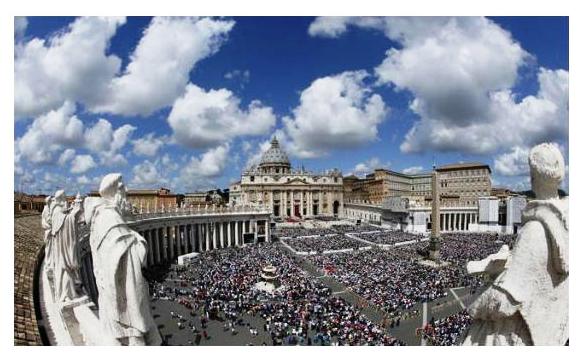
Although God called him to support the charismatic renewal in the Roman Catholic Church, Tony became an Anglican priest and today serves as the abbot bishop of the Order of the Ark Community (video), an international ecumenical community around Christ, inspired by the spirituality of the Celtic Church and of St. Francis of Assisi. The Order has a retreat centre in the hills of Umbria, the area where St. Francis started his 13th century ministry, which led to a revival movement in the Catholic Church. Tony believes that a new revival is coming to the Roman Catholic Church. “I was at a meeting at St. Peter’s a few years ago, celebrating Pentecost, the coming of the Holy Spirit. There were 450,000 of us outside, singing ‘Come, Holy Spirit’. All Catholics, except a couple of us whom they called ‘the ecumenical delegation’. Pope Benedict publicly said to all the charismatic Catholics present: ‘You charismatics, you are the hope of the church. And you need to evangelize within before you evangelize outside.’ When I saw that, I realized: I’m giving my life to a good cause. It was not some kind of political diplomatic maneuvering of the Catholic Church to let us all become one big thing. They really wanted their people to come to faith.”
‘Who would have thought, my friend and mentor became the new pope!’
About eight years ago Tony travelled to Argentina, to work with the Catholic Church in that nation. As it was protocol to visit the residing Catholic bishop to ask his permission to work among his people, he visited Father Mario Jorge Bergoglio, then Archbishop of Buenos Aires. “He and I struck up an intimate friendship,” Tony says. “We started studying together, meeting more often, to a point where he became one of my mentors.” This was at the time that both men were involved in interdenominational reconciliation in Argentina. Bergoglio would wash the feet of the Protestant pastors, and the Charismatics would pray for the Catholic bishops to be baptized in the Spirit.
Last year, Tony received a suprising e-mail from Father Mario. “He said: ‘Tony would you please pray for me, because they called me to the conclave’. I was on the train, leaving Rome, when they announced the new pope was Mario Jorge Bergoglio. Who would have thought, my friend and mentor became the new pope! To be clear, this is not about my story, this is about history, His Story. God is doing something.”
The miracle of unity
Now my friend had become pope, I realized that our relationship was going to change. He got a new job description. I didn’t expect to have a friendship like I had before.
But just after Christmas, as I was watching television with my son, I got a phone call. To my surprise I heard: ‘Hello, this is Pope Francis.’ I said: ‘Father Mario?’ He said: ‘Yes’. I ran upstairs to my office where there was no noise and said: ‘What are you phoning me for?’ He asked: ‘When will you be in Rome next?’ I said: ‘In two weeks time. I have to visit one of my congregations.’ He said: ‘Can you come and see me? What date and time would suit you?’ I said: ‘Pope Frances, I can’t believe you just called me at home. I don’t know what to say to you.’ I honestly didn’t know. He said: ‘What do you mean?’ I said: ‘You’re the pope of the universal church, 1.2 billion people. And I’m just an Anglican clergyman doing his bit for the Kingdom.’ He said: ‘Tony, we’ve got a covenant, we’re brothers. Nothing will change that friendship.’ I was blessed. All these stories you’ve heard about Francis, picking up a hitchhiker in his popemobile, and visiting people, he hasn’t changed.
‘He said: ‘OK. Let’s make a video.’’
So I went to see him last Tuesday. We had the morning together in his apartment, and I asked him: ‘So what’s the agenda, why did you call me?’ He said: ‘I have no agenda, there’s nothing to discuss.’ That’s a father, that’s a mentor. Back in Argentina we had made a covenant to work for unity in the church, and I was planning to minister at a big Evangelical conference, so I asked him: ‘Can you give the leaders a word?’ He said: ‘OK. Let’s make a video.’ So I pulled out my iPhone and we recorded it right there and then.
This is a historic moment. Father Mario is the first pope who took the name of St. Francis of Assisi who was openly charismatic and called by Jesus to rebuild to church. This is also in Pope Francis’ heart, to rebuild the church. He recognizes us as brothers and sisters and speaks to us accordingly. God is turning the hearts of the sons to their fathers, and the hearts of the fathers to their sons, to prepare the way of the Lord. (Malachi 4,6)
‘Christian unity is the basis of our credibility.’
In the first thousand years since Christ there was one church: the Catholic Church. The word Catholic means universal. At the end of the first millennium there was a split between the Orthodox Church in the East and the Catholic Church in the West. Then 500 years later we had Luther and his protest: the third stream in 1500 years. And today there are 33,000 denominations. I’ve come to understand that diversity is divine, it’s division that’s diabolic. Jesus said: ‘I give them the glory, so that they may be one.’ (John 17,22) It’s the presence of God that glues us together, not the doctrine. If you accept that Christ is living in me, and I accept that Christ is living in you, that’s all we need. Because God will sort out all our doctrines when we get upstairs. Therefore Christian unity is the basis of our credibility. The world will not believe until we are one. In 1999 the Roman Catholic church and the worldwide Lutheran Church signed an agreement that brought an end to the protest. Luther believed that we were saved by grace through faith alone, and the Catholic Church believed that we were saved by works. They put the two definitions together. On the Vatican website it now reads: ‘Justification means that Christ himself is our righteousness, in which we share through the Holy Spirit in accord with the will of the Father. Together we confess: By grace alone, in faith in Christ’s saving work and not because of any merit on our part, we are accepted by God and receive the Holy Spirit, who renews our hearts while equipping and calling us to good works.’ This brought an end to the protest of Luther. Five years later the worldwide Methodists signed the same agreement.”
‘Come on, we are brothers. Let’s give each other a hug.’
In Pope Francis’ video message, that quickly went viral on YouTube, he said the following:
“I will not speak in English or Italian, but in a more simple and authentic language, the language of the heart. It has a simple grammar, only two rules: love God above all and love others as your brother and sisters. I’m here with my brother Tony Palmer, we’ve been friends for years. He told me about your meeting and it’s a pleasure to greet you. It gives me joy that you have come together to worship Jesus Christ the only Lord, and to pray to the Father and to receive the Spirit. We can see that God is working all over the world. At the same time I feel sad about the separation between our families, due to many sins and misunderstandings throughout history. We all share the blame for that. I yearn to see this separation come to an end, and communion being restored. I yearn to embrace each other.
Scripture tells us that when Joseph’s brothers began to starve from hunger, they went to Egypt to buy food. But they found something more than food, something money couldn’t buy, they found their brother. We all have currency: cultural riches, religious riches, diverse traditions. But we have to encounter one another as brothers. We must cry together, like Joseph and his brothers, these tears of love will unite us, so we can worship Jesus together as the Lord of history.
I thank you profoundly for listening to me and allowing me to speak in the language of the heart. I also ask you a favor: please pray for me, because I need your prayers. I will pray for you too. Let’s pray that the Lord unites us all. Come on, we are brothers. Let’s give each other a spiritual hug and let God complete the work that He has begun. As the famous Italian author Mazoni once wrote, quoting a simple man: ‘I’ve never seen God begin a miracle without Him finishing it well.’ He will complete this miracle of unity. I bless you. From brother to brother I embrace you.”
A movement of 200 million born-again Catholics
In this video Tony Palmer explains the Pope’s intentions and gives background to the charismatic renewal movement in the Catholic Church. This movement now has grown to over 200 million born-again and Spirit-filled Catholic Christians throughout the world.
The Light shines in the darkness, and the darkness cannot overcome it (John 1:5).
Revival continues to explode in spite of, and in the midst of, darkness such as the brutal massacres of Christians and others in North Korea, North Africa, Syria and the Middle East.
Local
Local Australian examples of healing evangelism, for example, continue to increase. Many churches now have ministry teams that pray for people at the end of each service.
Joel Shaw, a young pastor at Glory City Church in Brisbane leads youth in prayer healing evangelism in the streets and malls of Brisbane, along with others. Here’s a recent example from him:
Chris Turner
“I am just on a total high from last night! After church we went down with the young adults to Kangaroo Point. Chris Turner [youth pastor] and I were talking about all the opportunities that were all around us. As we were walking from one location to the next we saw this big bunch of young people smoking and rabbling around. Chris stopped and called out to them. At first they didn’t even acknowledge that he was there. Chris called out a second time in a louder voice “HEY GUYS!” Their conversation died down and they started to listen.
“Chris said, “Have you guys seen any miracles?” Some jeered, some were serious and others quite friendly. Within 30 seconds there was a guy who admitted to having a knee problem, One prayer and he was instantly healed! A girl stepped up saying that she had period pain and she was also instantly healed.
“A guy next to me started to talk to me about his elbow. He had heaps of pain and limited movement. By this stage it was electric. I knew there wasn’t a chance this guy wouldn’t be healed, so I said, “Watch this!” to the other guys around me and began to pray. I felt the presence of God go through me and he stumbled backward. “WHAT THE @#$%!” He exclaimed, moving his arm around vigorously. He began to jump around and continue to stream expletives in total shock that he had been healed.
“By that time I had lost track of the other miracles that were happening all around me. Immediately another guy comes up to me and said to me something along the lines of “I need help, I have a lot of sin!” It was because of the miracles and the presence of God he was convicted of his sin! The loving kindness leads us to repentance.
So as I hugged the guy with the healed arm for the 5th time, I proceed to share about the price that Jesus paid for his sin. Turns out he had been to church but was desperate to encounter the supernatural so had delved deep into witchcraft and other new age practices. I prayed for him, and he said he was so overwhelmed by God’s presence. … We got his number and his address and he is coming to church on Friday. Seriously Kingdom life is the most exciting life! That was an opportunity we could have easily walked by.”
Global
Andrew Chee and pastors pray for the paramount chief
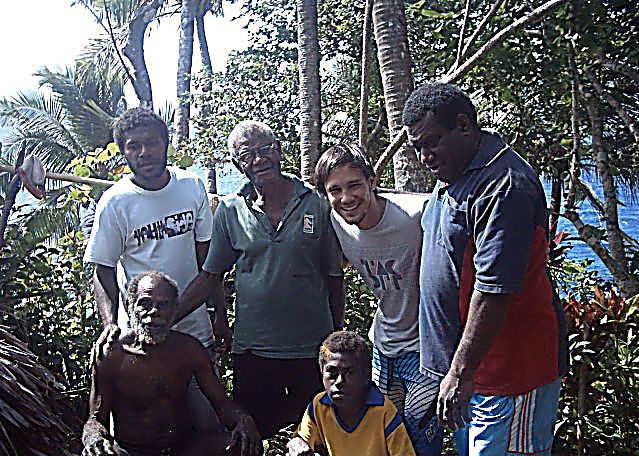
During the last few years I led teams of young people from these churches on missions in the South Pacific. Healings, deliverance and salvation increase with each visit. Everyone prayed for in one pagan village reported their pain had gone, and for the first time ever the paramount chief asked for healing prayer for himself. When Andrew Chee and the pastors prayed for him the pain left. Previously he had burned a Bible given to him. Now he is saying that a church can be built where he burned the Bible.
Last year a team saw everyone healed that they prayed for on Pentecost Island, Vanuatu. The testimonies opened the way for more salvation, deliverance, and people being filled with the Spirit and equipped for powerful service. That includes detecting and removing magic and witchcraft.
Grant Shaw with nurse Leah Waqa
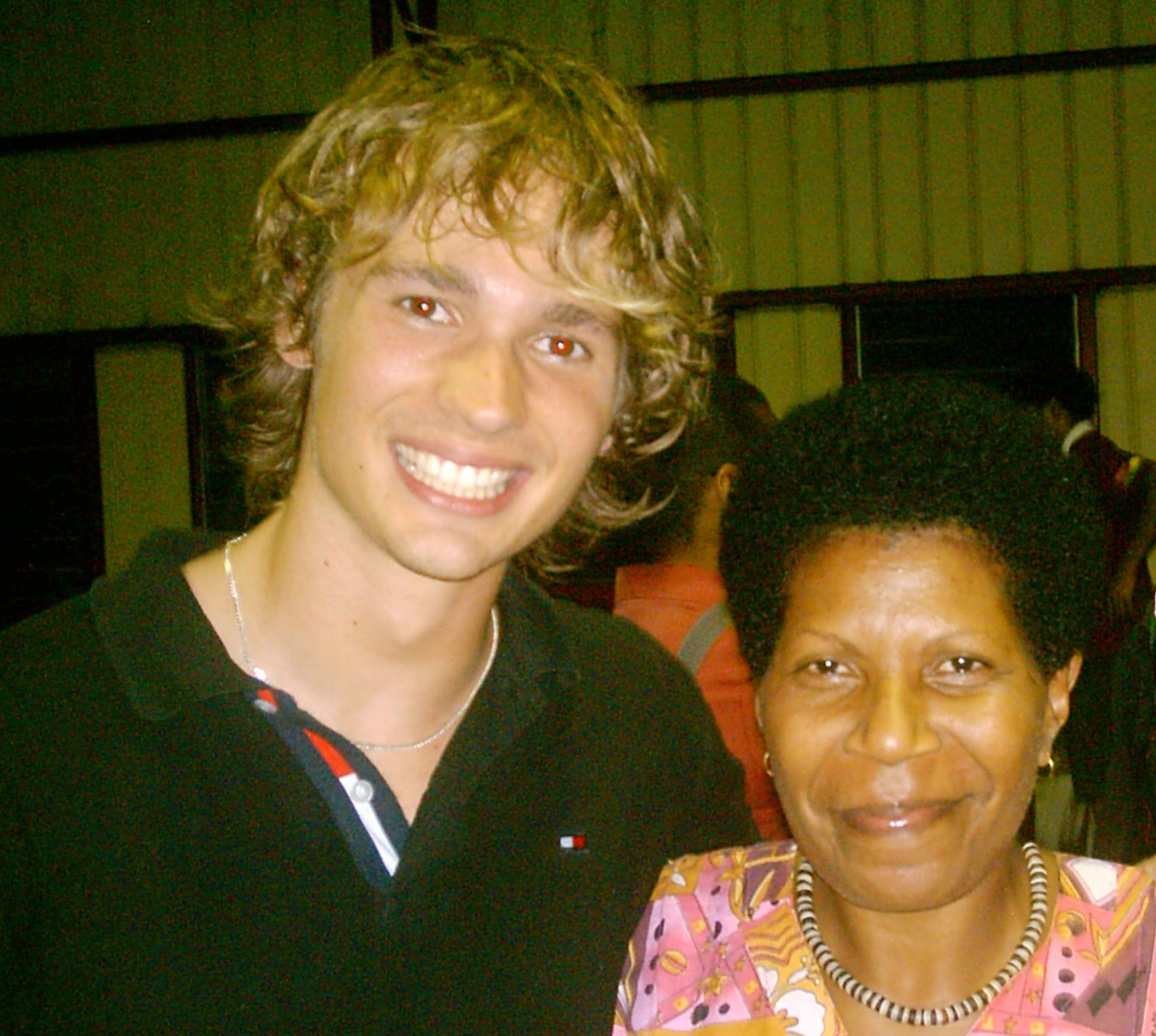
Grant Shaw, Joel’s brother and now pastor of Kingdom Culture Church in Brisbane, joined me at many revival meetings in Vanuatu and the Solomon Islands. We saw God move powerfully on hundreds of people, especially at a national youth conference in the Solomon Islands. One young man, healed at the conference, that night prayed for his mum and brother in their home and they both were healed. He had never done that before. We prayed with nurse Leah Waqa in Port Vila (the capital of Vanuatu) who that week had been led to pray in the hospital for a girl who had died after being hit by a truck. Leah prayed for the girl for over half an hour of Spirit-led prayer commanding her to live. The girl lived.
We live through amazing revivals globally this century. One of the most obvious is with Iris Global, with Roland and Heidi Baker. They write:
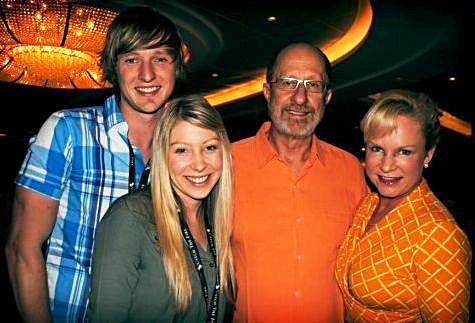
Joel & Candice Shaw with Roland & Heidi Baker
“Iris Global (previously Iris Ministries) is a holistic ministry that we began in 1980 as we took small evangelistic street drama teams to Asia on short-term mission trips. Our emphasis was the creative presentation of the Gospel, and our ministry grew greatly. But we were so impacted by the condition of the poor that we changed direction drastically and began to stop for the one and prove the love of God by first addressing the temporal needs of the broken and humble, “the least of these.” We focused on the bottom of society rather than the top. Now, after coming to Africa and starting with street beggar children in 1995, we have seen a people movement spread across the ten provinces of Mozambique. Massive desperation for God rising out of a long history of repression, poverty and natural disasters has fueled revival, one that is sparking more fire in nations around the world. And signs and wonders are following all the way.
“What began as a ragged band of young beggars, thieves and delinquents has developed by the power of the Holy Spirit into a closely-knit national family of thousands of churches and a broad ministry encompassing Bible schools, children’s centers, church-based orphan care, primary education, medical clinics, constant evangelistic and healing outreaches, farming, well drilling and much else. Our vision in the Lord is constantly increasing.
“But most of all we proclaim Jesus. He is our salvation, our prize, our reward, our inheritance, our destination, our motivation, our joy, wisdom and sanctification — and absolutely everything else we need, now and forever. All His grace and power flow to us through the Cross and no other way. We are glad to be known as social workers and humanitarians, and to have a reputation for doing good. But all is in vain if we do not bring to the people faith in our God and Savior Jesus Christ. We want to be known by His Name, first and foremost. And we do not expect fruitfulness to come out of anything but intimacy with Him …” (http://www.irisglobal.org).
The Light still shines. We can live in the Light.
Or, to use another picture, we can hoist our sail of faith and catch the wind of the Spirit blowing powerfully in the earth.
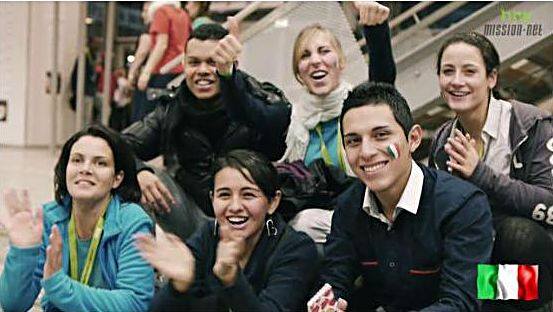
Almost 3,000 young people from 40 nations in Europe started the New Year at the Mission-Net congress in Offenburg, Germany, where they received faith, hope and vision for their continent. Jeff Fountain was one of the speakers who shared about 7 signs of hope he sees in Europe today. These signs are:
1. New prayer initiatives are emerging across the continent.
2. The shakings of God: he has been shaking the Marxist world, the Muslim world and now the world of Mammon. “Everything not based on God’s kingdom will be shaken,” says Fountain.
3. New spiritual hunger: despite (or because of) secularism, spiritual hunger is rising. Here is a ripe harvest field for incarnational mission.
4. New expressions of church are emerging outside of traditional church walls.
5. The New Europeans: look who God is bringing to Europe – from Asia, Africa and Latin America. Almost half of all EU migrants are already church members. Migrant churches contribute to urban church renewal bringing lost gifts of spiritual discernment, colourful worship and bold proclamation.
6. Unity of heart: never before has there been as much convergence as today between old rival church traditions – Pentecostal, Protestant, Catholic and Orthodox. Spiritual renewal movements have swept over denominational barriers.
7. Recovery of the gospel of the Kingdom: the awareness that the Gospel is not just good news about salvation, but about Christ’s lordship over all spheres of life is leading to expressions of mission involving the transformation of individuals, families and communities.
Source: Jeff Fountain (Joel News International 888, January 2014)
God did it then – is doing it now – and will again
“The president was so impressed that he loaned the young 19 year old evangelist his presidential jet to travel to meetings through the entire country, giving him the use of stadiums and asking mayors to declare a holiday when the young evangelist arrived in their cities to preach.”
How a genuine revival impacted Bolivia
In 1995, Julio Ruibal, a prominent charismatic evangelist from Bolivia who lived and worked in Cali, Colombia, was martyred for his faith. The story of his courageous ministry of unity and opposition against Cali’s drug cartels is chronicled in the well-known Transformations video, produced by The Sentinel Group. However, less known internationally is his role in a genuine revival that impacted Bolivia in the 1970s.
In the early 1970s, after his conversion in Los Angeles, Julio returned to the city of La Paz, Bolivia and began to share Christ. After a core group of young people came to the Lord and started gathering in homes, conversions began to multiply exponentially until there were more than 5,000 new Christians.
After word of this spiritual outbreak spread in the predominantly Catholic country, Ruibal found himself in a meeting with Bolivia’s president, Hugo Bánzer Suárez. The president was so impressed that he loaned the young evangelist his presidential jet to travel to meetings through the entire country, giving him the use of stadiums and asking mayors to declare a holiday when the young evangelist arrived in their cities to preach.
During the next several years, hundreds of thousands of people were converted to Christ. Today the evangelical population of Bolivia has grown to more than 11 percent.
“As repentance was his lifestyle, it became a fruit of the revival.” Looking back to those days, Ruibal’s widow Ruth says the Bolivian revival was marked by repentance and simple obedience to Jesus.
“Julio’s conversion was dramatic and his repentance was deep. He would lie on the living room floor saying, ‘Jesus I have found You; I have found everything.’
Up until then, Julio was supporting himself by running a yoga academy. He told all his students about his conversion, and half the students were saved while half left. He closed down the academy and from that day, for the rest of his life, he lived by faith. Most people would have tried to save the academy or wait until they had something else to do. But Julio was drastic in obeying. As repentance was his lifestyle, it became a fruit of the revival. People were getting right with others, making restoration for prior wrongs and dramatically stepping out from sin.”
The Bolivian revival affected the nation and the culture. “This was a sovereign move of God over a nation, not just one church being revived,” says Ruibal. “Up until that time, Bolivia had had more presidents than years of independence. There had been so many coups. At one point there were four presidents in one day. However, when President Bánzer opened the country to the gospel, he stayed in power for eight years. That was a first for Bolivia. Bolivia experienced its first economic boom. Churches sprang up everywhere and poverty was diminished.”
“God had replaced the bone eaten away by cancer!” There were also many miracles. “The miracles were so remarkable and abundant that it is hard to adequately describe,” says Ruibal. “One of the outstanding miracles involved a woman who was dying of bone cancer. She was bed-ridden and her upper leg could not be moved for lack of bone. Her sons asked Julio to pray for her. He led her to the Lord and then prayed for healing. Then Julio felt the Lord telling him to lift the lady to her feet. He helped pull her up and she stood. God had replaced the bone eaten away by cancer! There were other types of miracles, too. Food was multiplied supernaturally. At a dinner, fish appeared on a plate in front of several elders. Once, money multiplied so that we could feed some leaders who had cometo minister.”
The revival was marked by sweeping conversions that sparked church growth. Before the revival the largest evangelical church in La Paz had about 90 members. Missionaries from many denominations had labored for decades with little results. What Julio, then only 19 years old, brought in was a commitment to prayer.
“When we started the church in 1974 we would teach the young people and then in the evenings they would go to home groups to teach what they had learned,” says Ruibal. “We would then reunite after the meetings and pray for the people in the meetings. This meant we prayed from 10 p.m. to 2:30 a.m. or 3 a.m. every night. There was a lot of prayer.”
“From then on the stadiums were too small to hold the crowds.” The stadium meetings had their own challenges. “It started in the stadium in La Paz, with thousands attending. But one day when the meeting was to start at 10 a.m., the police called Julio to ask for his advice. The crowds had come around 5 a.m. to get seats in the stadium, but when they arrived they found the stadium was already filled. People had spent the night there, and the overflow crowd was now at 40,000. The police feared a riot. That day Julio preached to the crowd within the stadium and then from the wall of the stadium to the overflow. Miracles took place as people repented and came to Jesus.”
“From then on the stadiums were too small to hold the crowds. The meetings were held on mountainsides and in plazas. There was no PA system at that time large enough to reach the tens of thousands of people, so they were encouraged to bring their transistor radios and turn them up as loud as possible. Since the meetings were being broadcast, everyone could hear the preaching. The Assemblies of God sold 33,000 Bibles and New Testaments in only two weeks. In fact, the Bible Society of Argentina and other outlets had to send them their stock of Bibles as well.”
As a result of the revival many new churches were planted in Bolivia. “Ekklesía, the church we started in La Paz, has more than 23,000 members today,” says Ruibal. “Daughter churches were started in every state in Bolivia and also in Colombia and Argentina.” Also other churches benefited. “There were about 15 churches started in the city of La Paz alone as a result of the revival.”
Source: Ruth Ruibal, interviewed for Charisma Magazine
Someone once said that everything is true somewhere, at some time in China.
This statement couldn’t be more true in today’s China. Somewhere in China there are still believers being persecuted for their faith, but for all the people that are being persecuted, many are able to worship freely. In fact, some companies prefer to hire Christians rather than unbelievers because of their integrity and ethics. In one city alone, it is believed that the Christians amount to 10% of the population and many businessmen are strong believers.
In some areas in China there is bitter animosity between the house and registered churches but for each place where there is bitterness, there are thousands of house churches that are being allowed to continue. In fact, house church leaders have open discussions with local government officials and are permitted to rent and even purchase office space to hold their meetings. Also, there are cities where both the house and Three-Self Churches work together, and some house churches meet in Three-Self Churches!
In China there are certain versions of the Bible that are not printed and are not permitted in the country but for all the versions of the Bible that are not printed or permitted here, there are several versions that people can freely purchase in bookstores and online to send to their friends. In fact, the Three-Self Church has printed millions of Bibles in the country and made them available at their bookstores.
It’s a new day for China, for the Church in China, and for the World. We thank the Lord for the harvest that was brought in the past, the maturation of the Chinese church, and for the economic strides that have made China the second-largest economy in the world. However, if all this is to continue China needs to go to the next level of its maturation and reach the next generation, the 4/14ers! Now is the time for the Church of China to come together to preserve the harvest so it will last many more generations.
At the recent Asian Church Leaders Forum, over 100 Chinese church leaders signed a pledge to “commit ourselves to raising up younger leaders of the next generation” and to “pass the vision of evangelization onto the younger generation and proclaim the salvation message of the old rugged cross with creative methods.” We are excited that the church in China has embraced reaching the next generation so that a new chapter in China’s great harvest history can be written.
We regularly support our mission friends overseas and can pass on your help. geoffwaugh2@gmail.com
Joshua and Jemimah You may be led to help Joshua & Jemimah (my grand-daughter & husband). Joshua (a Ph.D. student) worked voluntarily with Power to Change, reaching university students, and they lead a group in their home on Wednesdays. They care for large numbers of overseas students and many are becoming Christians. You can give through Power to Change or contact Joshua on his Facebook page.
See Joshua’s Power Point – Reaching the Unreached
Give aid to the needy – easily
Whatever you did for one of the least of these brothers and sisters of mine, you did for me. (Mt 25:40)


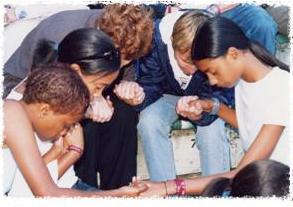
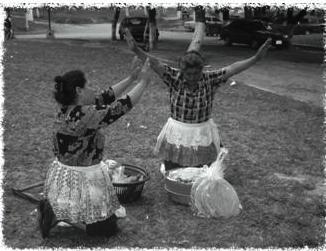
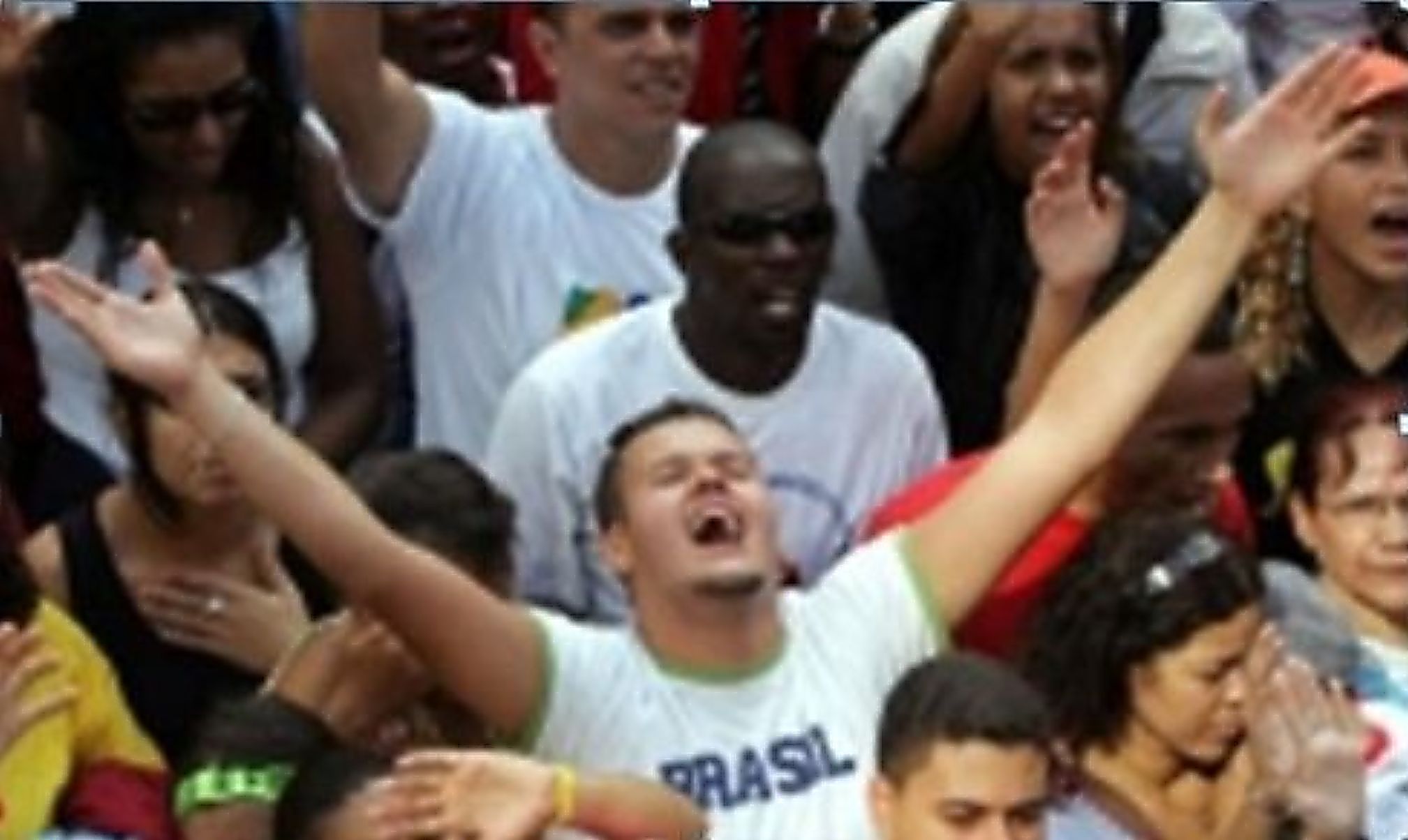
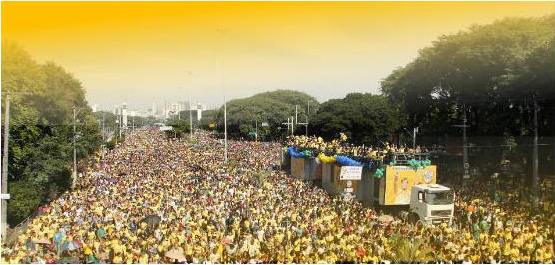
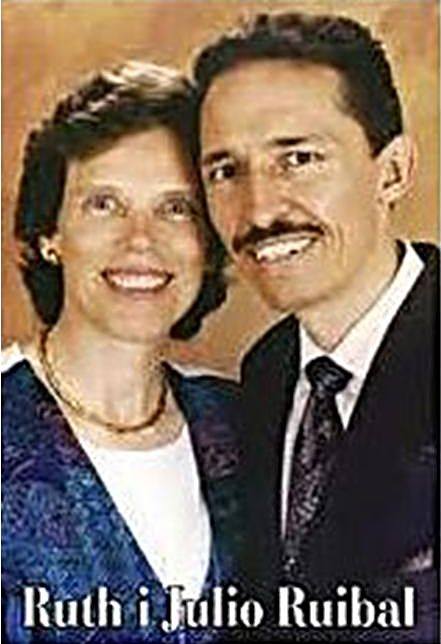 Revival Impacted Bolivia
FREE SUBSCRIPTION: for new Blogs & free offers
Revival Impacted Bolivia
FREE SUBSCRIPTION: for new Blogs & free offers

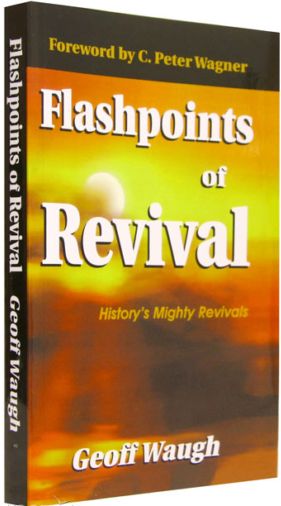
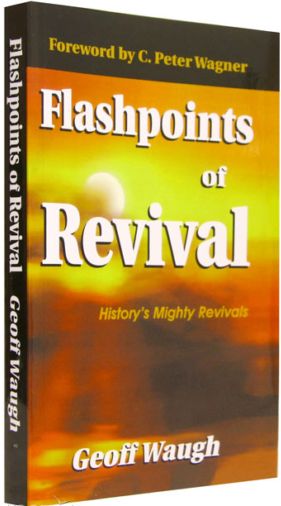

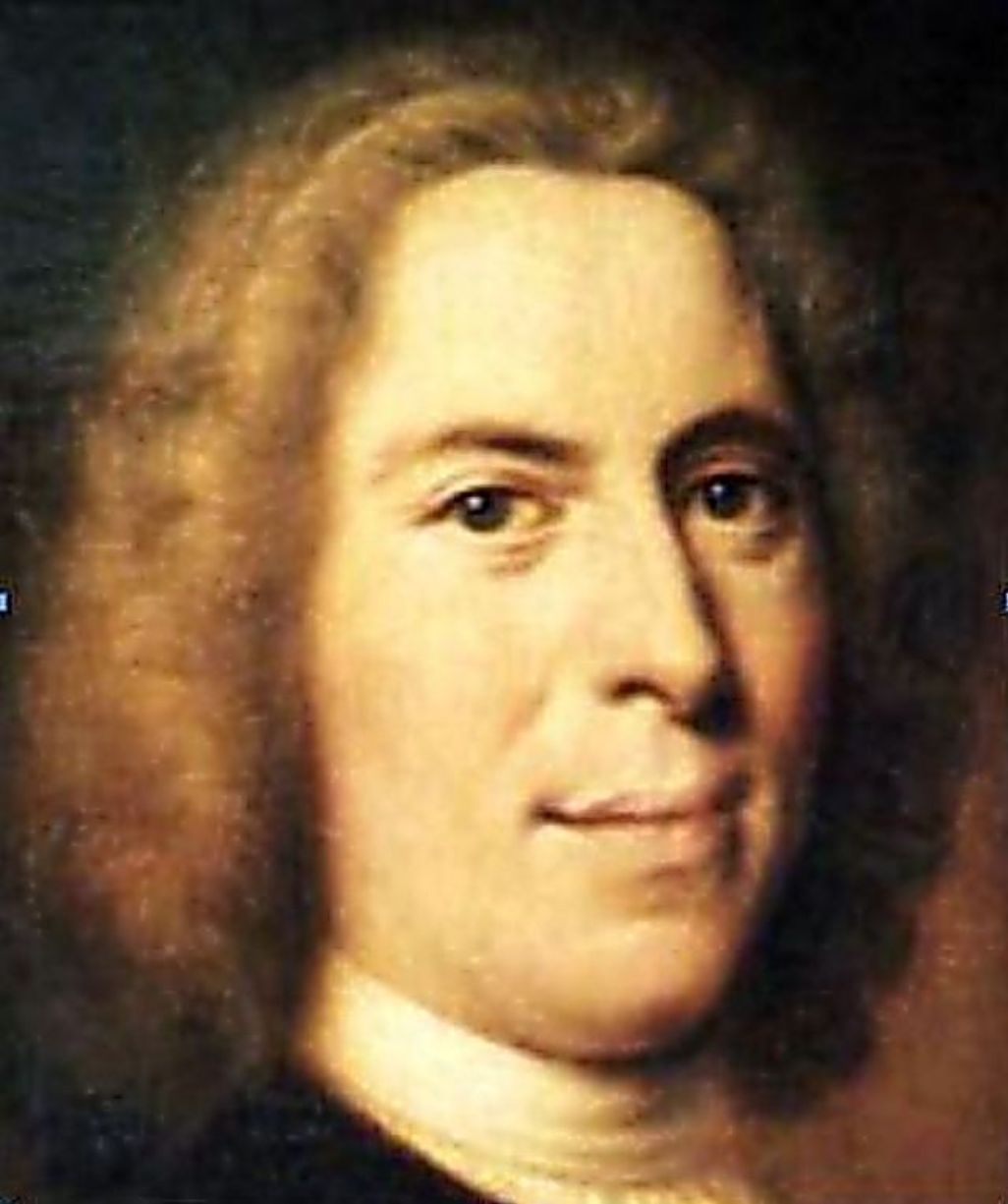
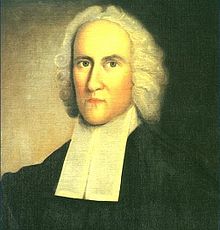
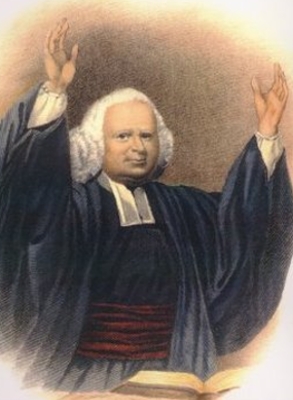
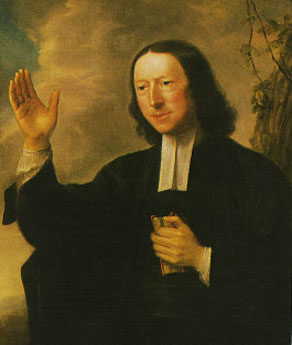

![this language of the heart has special [particular] language and grammar](https://renewaljournal.com/wp-content/uploads/2014/03/2.jpg)